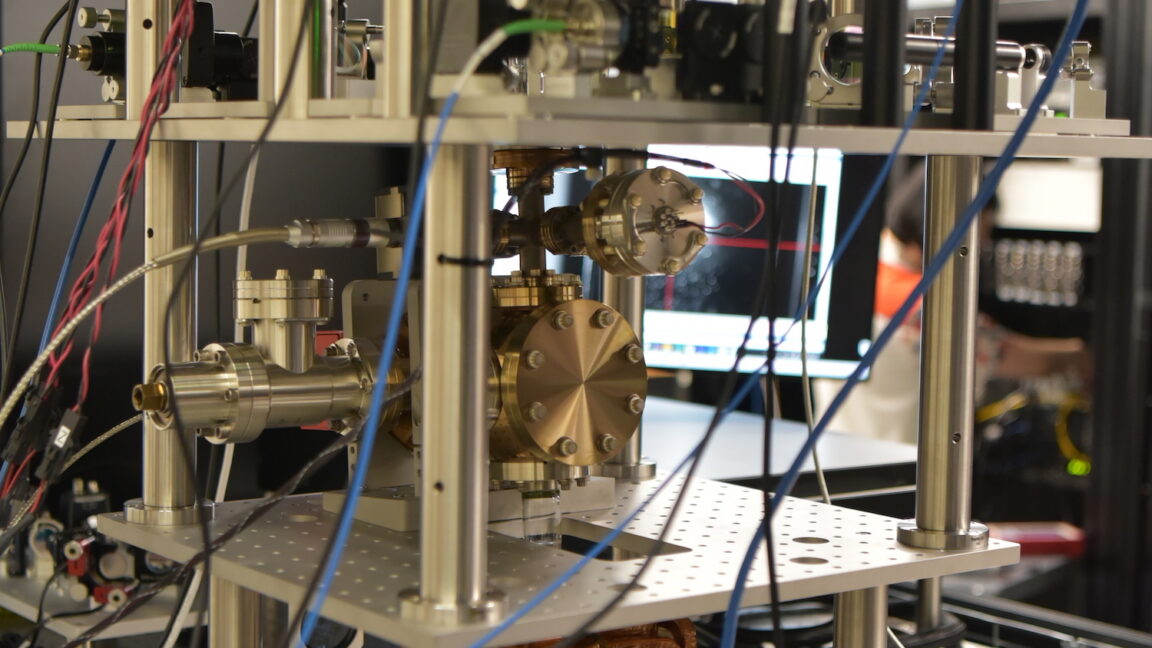
A recent wave of summer announcements includes a bold claim that a useful, error‑corrected quantum computer could be operational as early as 2028. The promise sits alongside updates on a refreshed trapped‑ion processor and a reassessment of earlier quantum‑supremacy claims after classical algorithmic improvements.
Most experts have projected that fully functional quantum hardware is still five to ten years away, largely because current qubits are too noisy to run complex algorithms reliably. Achieving practical advantage requires logical qubits—clusters of physical qubits that store redundant information and allow continuous error detection and correction.
If the 2028 target materializes, it would mark the first time quantum devices can reliably execute algorithms that surpass classical capabilities, opening doors to chemistry, cryptography and optimization problems. The community will be watching forthcoming hardware demonstrations and software breakthroughs to gauge whether the timeline holds, making the next year critical for both vendors and researchers.