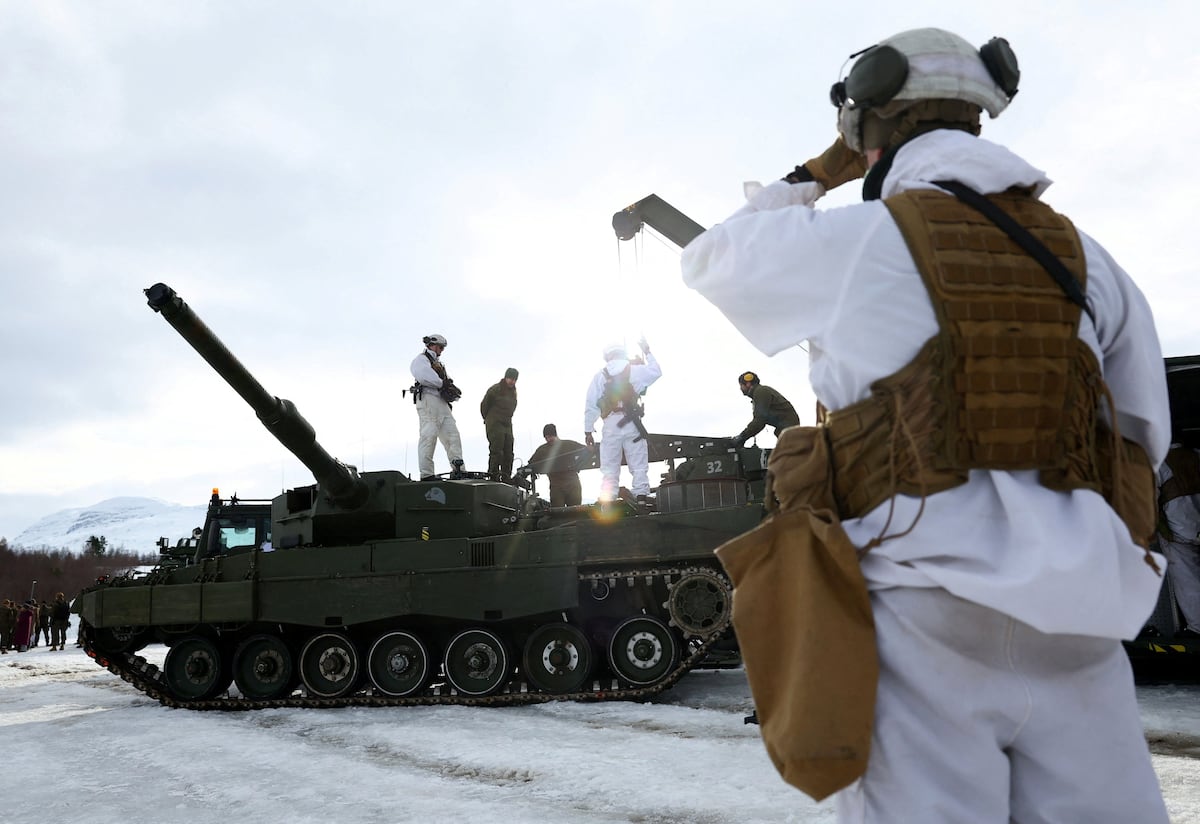
During a cold March morning in northern Norway, about 30,000 troops from Britain, Norway and other NATO members took part in a simulated reconnaissance and counter‑attack exercise aimed at an “enemy to the east,” a thinly‑veiled reference to Russia. The drill, part of the Arctic Sentry program launched by NATO Secretary‑General Mark Rutte, was intended to prove that Europe and Canada can defend the alliance’s high‑north flank.
Russia has spent the last decade expanding its Arctic capabilities, modernising its ice‑breaker fleet and reactivating Soviet‑era bases that give it a short route for nuclear missiles. Monitoring the Kola Peninsula, which houses two‑thirds of Russia’s second‑strike submarines, requires expensive assets such as ice‑breakers, long‑endurance drones, satellites and specialised radars that can operate in temperatures below –45 °C. Experts estimate the required investments could run into hundreds of billions of dollars.
NATO allies are responding with higher defence spending; the Nordics aim to meet the 5 % of GDP target by 2035, the U.S. and Finland plan up to six new ice‑breakers, and Canada unveiled a C$35 billion Arctic defence plan. Yet U.S. commitment remains under review, and the issue will loom over the upcoming NATO summit in Ankara. The outcome will shape how the alliance secures the strategically vital Arctic corridor.