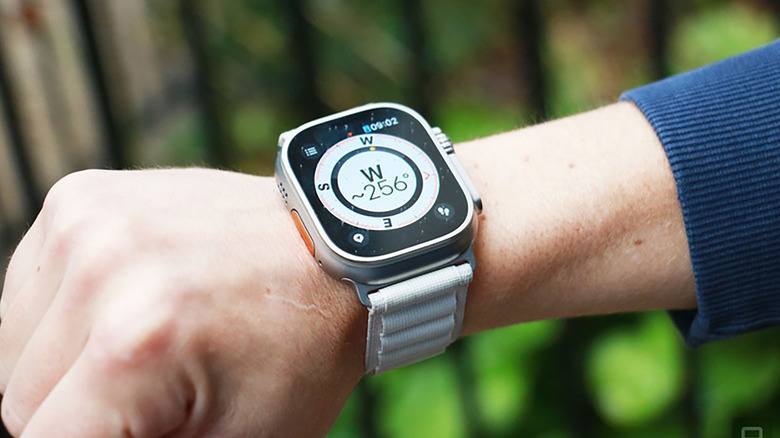
A wave of wear‑able fatigue is nudging a segment of users away from feature‑laden smartwatches toward simpler, often analog, devices. While the smartwatch market continues to expand, many cite constant notifications, battery‑draining screens, and the feeling of a second phone on their wrist as reasons to step back.
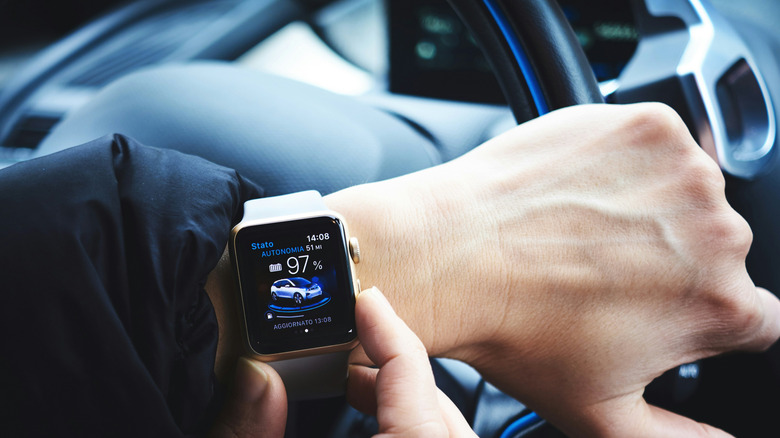
Beyond annoyance, users point to feature creep—such as redundant health metrics that rely on algorithmic guesses—and the high price tags of flagship models like the Apple Watch Series 11, which starts at $399. Studies also suggest smartwatch alerts can be more distracting to drivers than phone notifications. For some, the constant stream of data even raises stress levels, prompting a desire for a quieter, less intrusive tracking method.
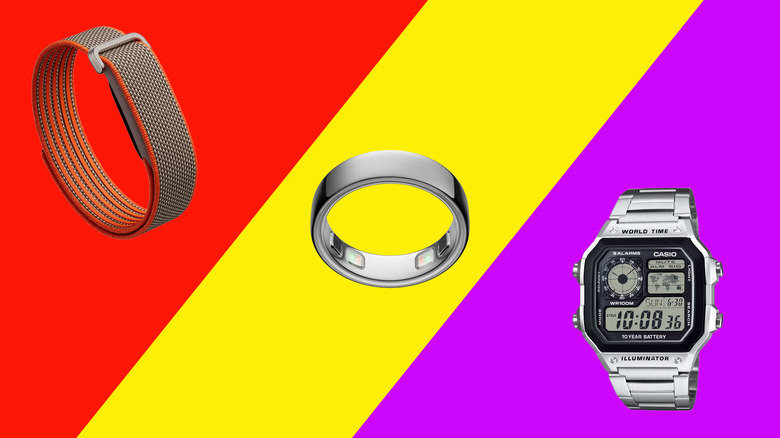
Screen‑free alternatives are gaining traction: Google’s Fitbit Air sells for about $100, while Whoop offers a band with a subscription that can exceed $200 annually. Smart rings such as Oura’s Ring 5 ($399) and Samsung’s Galaxy Ring (often $300 on sale) provide sleep and activity insights without a display. Hybrid models from Withings or Garmin blend classic watch faces with basic fitness tracking, and budget analog pieces from Casio start around $30.