A Department of Energy lab is reviewing Chinese lidar sensors for potential security vulnerabilities that could affect U.S. vehicles. The Idaho National Laboratory is conducting the research, funded by unnamed companies in the electric and autonomous vehicle sectors, according to sources familiar with the effort.
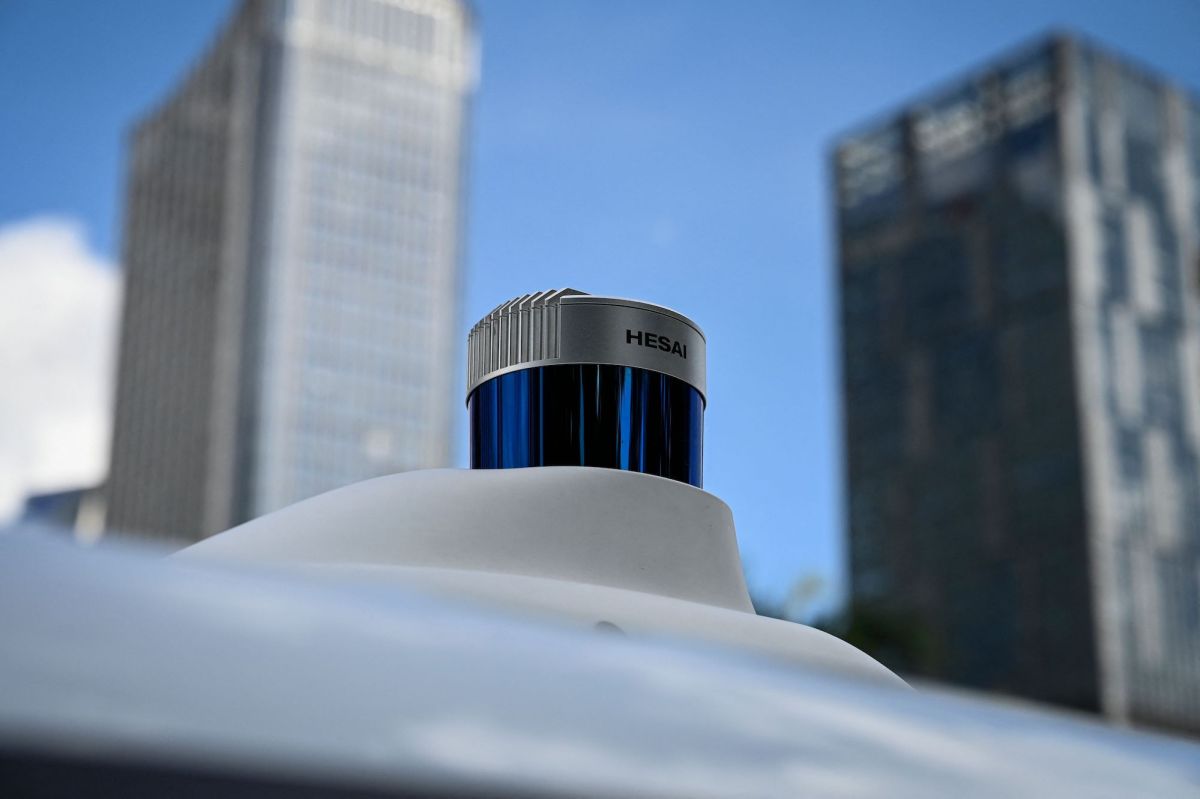
The review focuses on cybersecurity risks, including the possibility that Chinese lidar could be disabled en masse or transmit detailed environmental data back to Chinese interests. Concerns have grown as Chinese suppliers like Hesai and RoboSense have slashed lidar costs, making them attractive to U.S. automakers and AV developers. Rivian, for example, is reportedly exploring integrating Chinese lidar into its R2 SUV while also considering domestic production.
Lawmakers are pushing bills to ban Chinese lidar, citing espionage risks. Senator Tammy Baldwin emphasized the threat to national security, while Congressman John Moolenaar warned of potential "back doors" in the sensors. The Department of Defense already restricts Hesai and RoboSense under its 1260H list, but broader regulations remain unclear.