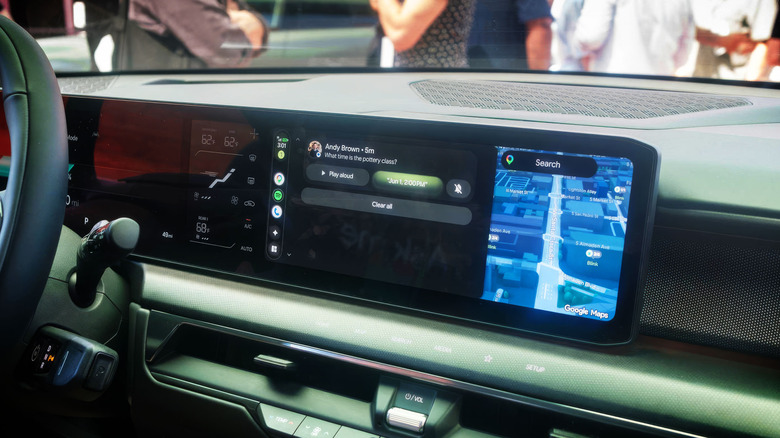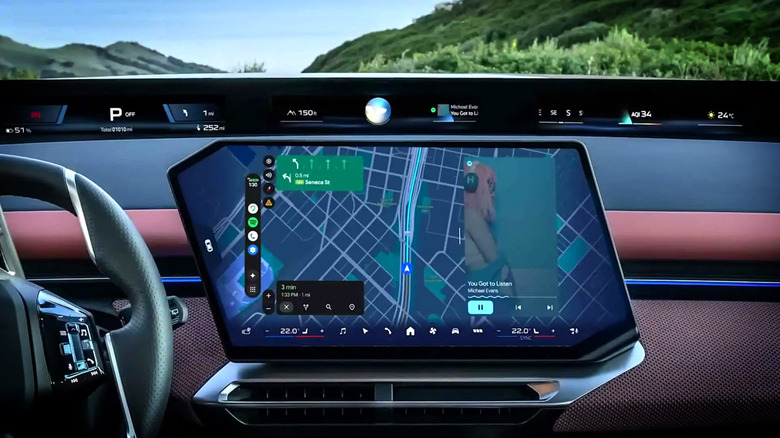
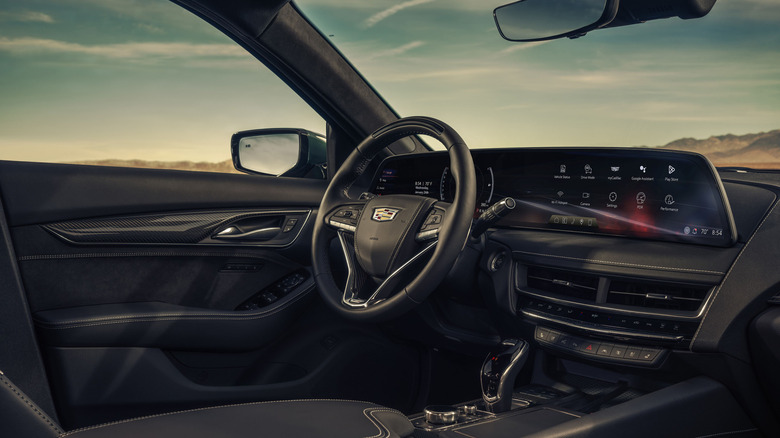
General Motors announced it will remove Android Auto from its electric vehicles and plans to phase the service out of its entire lineup, substituting it with a conversational infotainment system built on Google’s Gemini AI. The move marks a shift from the decade‑long partnership that let drivers mirror their phones on the dash without extra cost.
Android Auto gained traction after 2015 by offering a plug‑in experience, while Google later introduced Android Automotive OS, which many brands adopted for its built‑in vehicle operating system. Automakers have grown uneasy with the data Google harvests—GPS, usage patterns, and advertising‑related information—that never reaches the car makers themselves. GM, still subject to a $12.75 million privacy fine, argues its own system will provide smarter EV routing, tighter integration with Super Cruise, and seamless access to voice assistants via Bluetooth.
Rivian and Tesla already eschew Android Auto, favoring proprietary solutions and charging annual fees for premium data services. Consumer feedback to GM’s announcement highlights worries about new subscriptions and losing a familiar interface. Yet the majority of 2026 models still support Android Auto, and many other manufacturers are expected to keep the platform alive despite GM’s pivot.