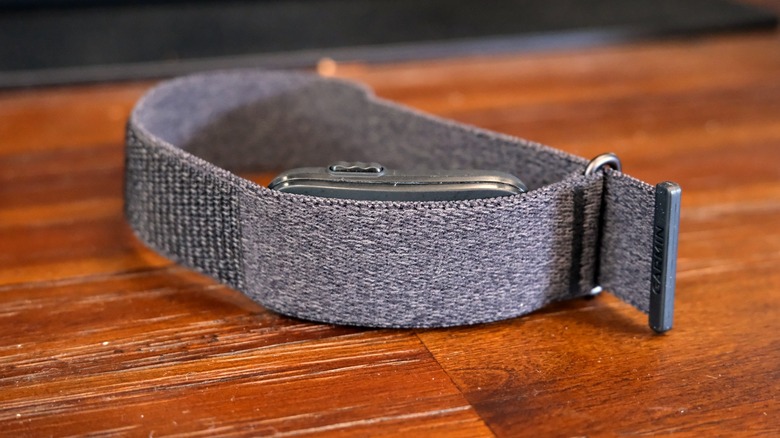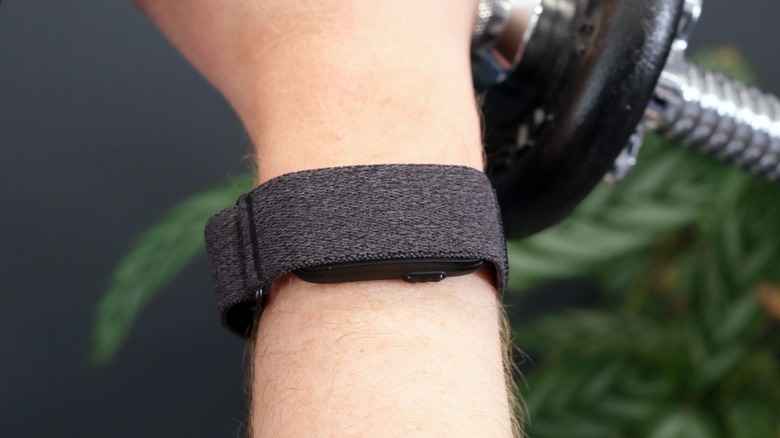
Garmin has launched the Cirqa, a $200 screenless fitness tracker that emphasizes hardware over software. The device weighs just over an ounce, lasts up to 10 days on a charge, and monitors heart rate, stress, sleep, and activity without requiring a subscription. Its design—a plastic puck with a fabric strap—prioritizes aesthetics over utility, fitting a niche for users who want a subtle fitness badge rather than a functional tool.
Performance-wise, the Cirqa delivers reliable tracking. It automatically logs workouts and sleep, with Garmin’s signature accuracy in areas like respiration and temperature monitoring. The companion app presents data in clear dashboards, but lacks the AI-driven coaching and actionable insights offered by competitors like Whoop or Oura. A single button handles all functions, leading to occasional misfires—long presses for alarms can accidentally trigger activity tracking instead.
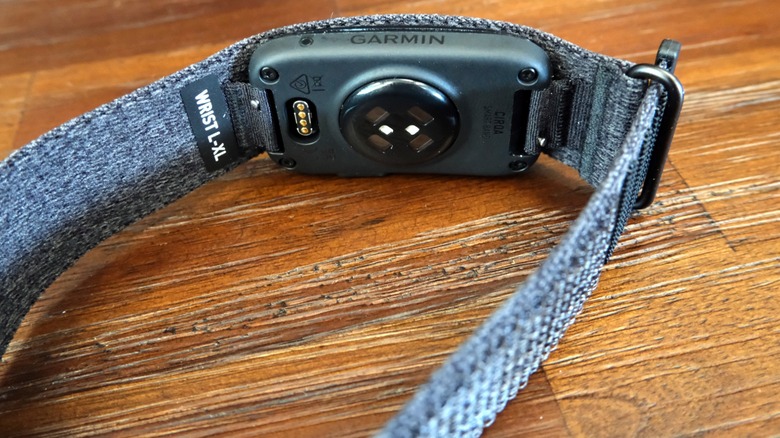
For $200, the Cirqa competes with cheaper Garmin models like the Vivosmart and faces stiffer rivalry from subscription-free options such as the Ultrahuman Ring Pro. Without compelling software or a clear advantage over existing devices, the Cirqa risks being an inessential purchase, praised for what it does but not why it matters.