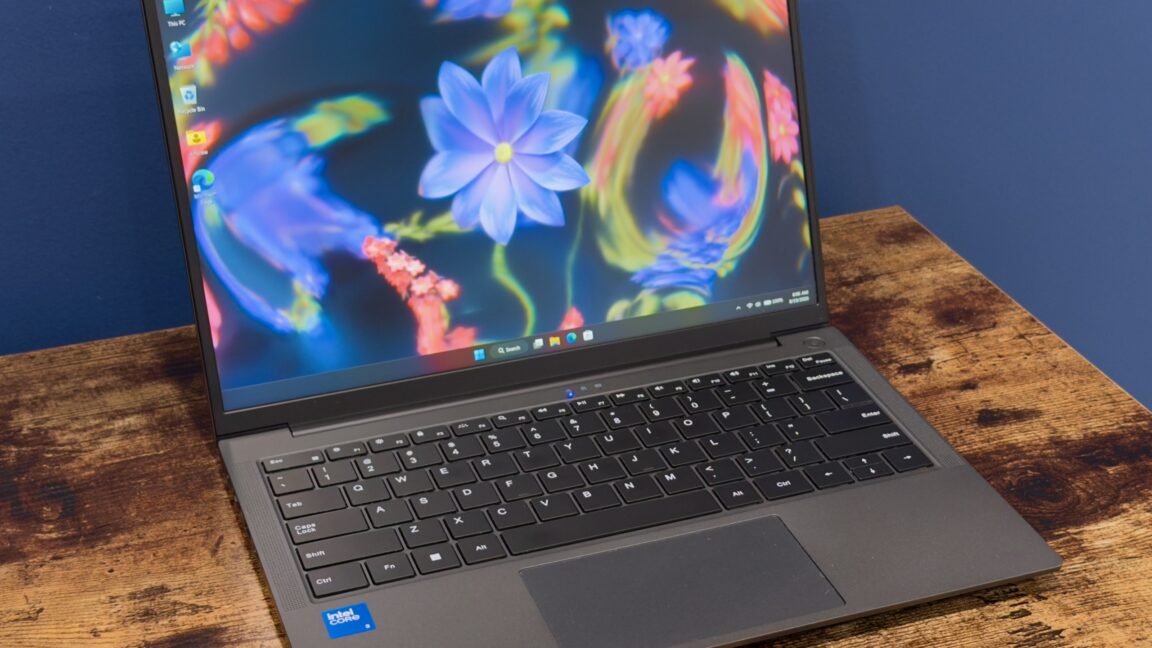
Chuwi’s Unibook enters the budget laptop market with a deliberate focus on fundamentals over frills, offering a $449 alternative that could have reshaped low-end expectations. The design mirrors Apple’s MacBook Neo concept, prioritizing consistent build quality, keyboard feel, and screen performance over flashy features. While it falls short of premium laptops in raw specs, its approach forced competitors like Dell and Acer to rethink their own budget offerings.
Intel’s new non-Ultra Core Series 3 processors (Wildcat Lake) enabled this shift by providing fresh silicon for lower-end models, breaking from the industry’s habit of recycling outdated chips. Dell’s XPS 13 and Acer’s Swift Air 14 responded with base prices starting at $599 and $699 respectively, though most required premium configurations to match the Unibook’s barebones efficiency. The Unibook’s strategy hinges on delivering reliable basics—keyboard, display, and durability—at a price that pressures rivals to either compete or concede the segment.
For buyers willing to trade extras for consistency, the Unibook represents a rare budget option that doesn’t cut corners on core usability.


