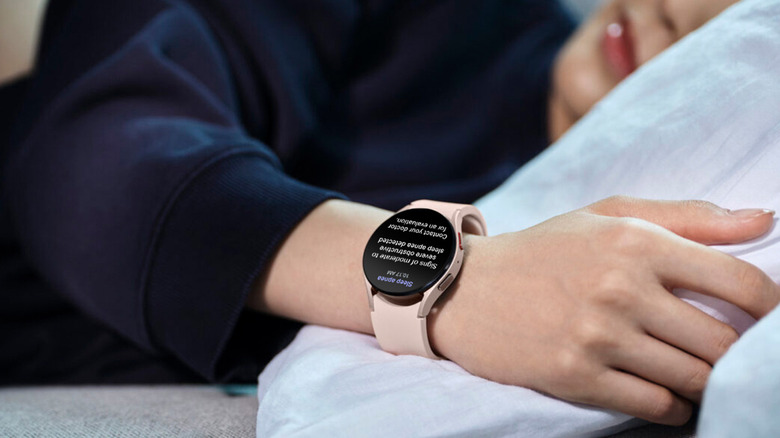
Apple and Samsung have added FDA‑cleared sleep‑apnea screening to their flagship wearables, letting users get an early hint that their breathing may be disrupted during the night. The features don’t replace a medical diagnosis but can prompt a doctor visit.
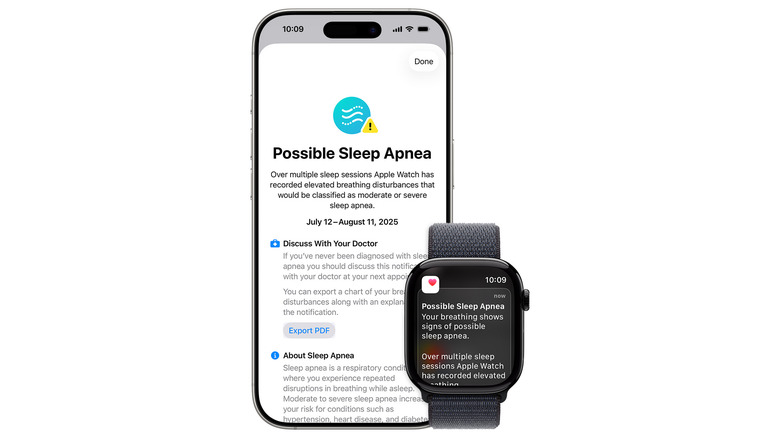
Apple’s system works on the Watch Series 9, Ultra 2/3 and SE 3. After enabling sleep tracking, the watch must record at least ten nights of sleep over a 30‑day window. The accelerometer analyses breathing patterns and labels them “Elevated” or “Not Elevated.” If elevated disruptions appear consistently, the Health app pushes a notification, advising the wearer to seek professional evaluation.
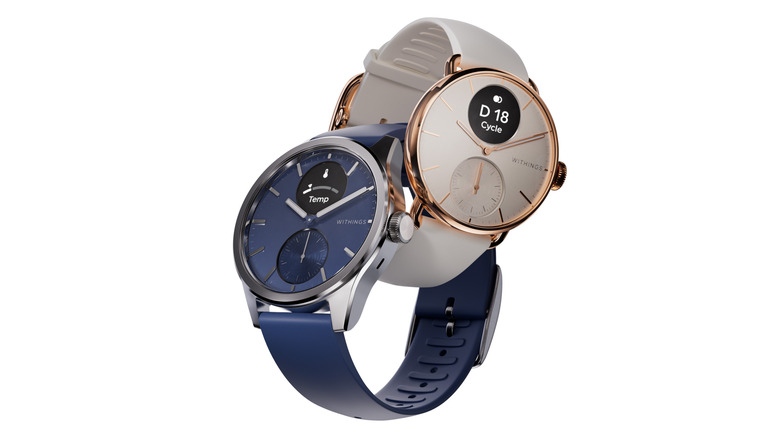
Samsung’s counterpart runs on Galaxy Watch 4 and newer models paired with a Galaxy phone running the Samsung Health Monitor app. Only two nights of data, each with a minimum of four hours of sleep, are needed within ten days. Results appear in the app’s Sleep Apnea section and the feature disables itself afterward. Withings ScanWatch received FDA clearance in 2021 for breathing‑disturbance tracking, though it isn’t marketed as a sleep‑apnea alert. Garmin, Oura, Fitbit and Whoop have similar metrics but lack FDA clearance.
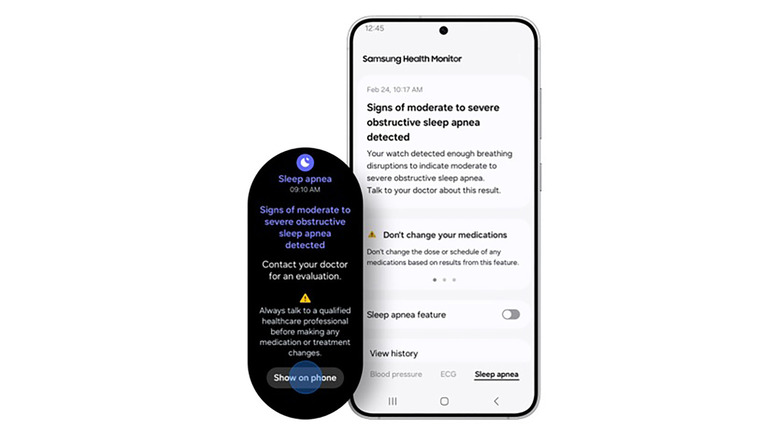
Regardless of the device, users should treat any alerts as a prompt to consult a healthcare professional rather than a definitive diagnosis.