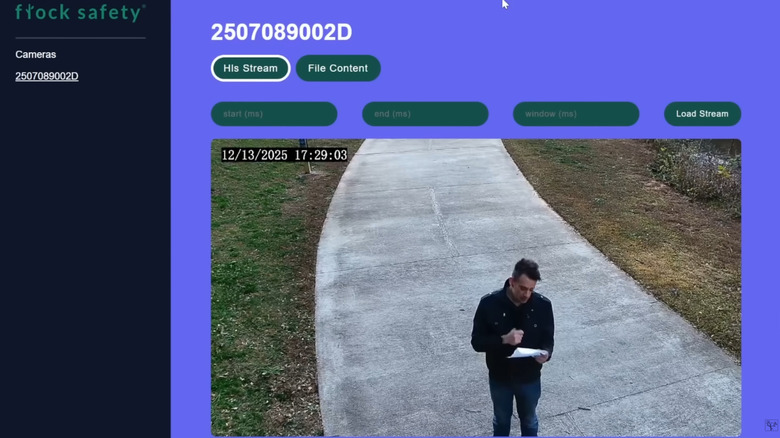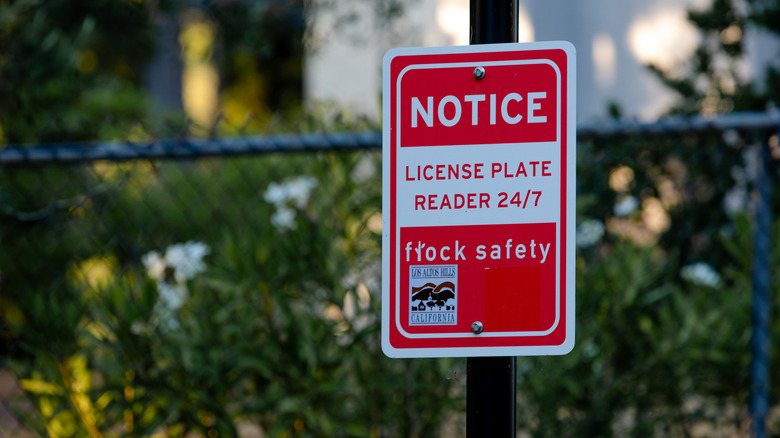
A new generation of AI‑driven surveillance cameras from Flock Security is now littering U.S. streets, and they do far more than read license plates. The company claims to have installed over 100,000 automated license‑plate readers nationwide, the bulk of which are its own units. While the primary function is plate capture, the devices can be queried with natural‑language descriptors—“green sedan with American‑flag bumper”—to locate any vehicle or even a person.
The cameras run a modified Android OS, stream footage to a cloud database, and let anyone with access run AI‑powered searches. Law‑enforcement agencies across the country, and even ICE through local partnerships, have used the system to conduct thousands of searches. Critics point to a litany of problems: security researchers have repeatedly exposed live feeds, police officers have been caught using the platform to stalk ex‑partners, and Flock employees were recorded watching children at a community center. The company’s response has been to dismiss investigators as activist agitators rather than to patch vulnerabilities.
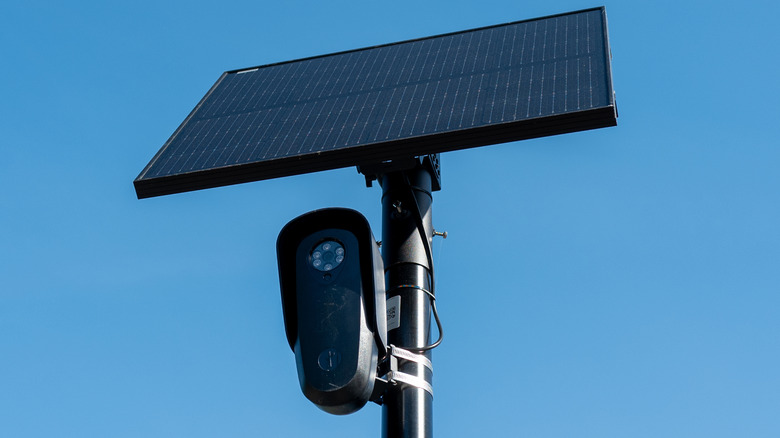
Despite the backlash, municipalities keep signing contracts because Flock offers low‑cost, turnkey deployments and markets its gear as a crime‑deterrent, even though evidence of effectiveness is thin. Denver recently cancelled its agreement after a town‑hall protest and switched to Axon, while other cities wrestle with ironclad clauses that make removal costly. The ongoing debate highlights how quickly AI surveillance can spread when oversight lags behind technology.