Noise‑cancelling headphones have moved from a niche for frequent flyers to a mainstream feature found on devices like Apple’s AirPods Pro and Sony’s flagship models. The core distinction is simple: passive noise cancellation blocks sound with physical materials, whereas active noise cancellation (ANC) employs onboard processors that generate anti‑noise to neutralize external sounds.
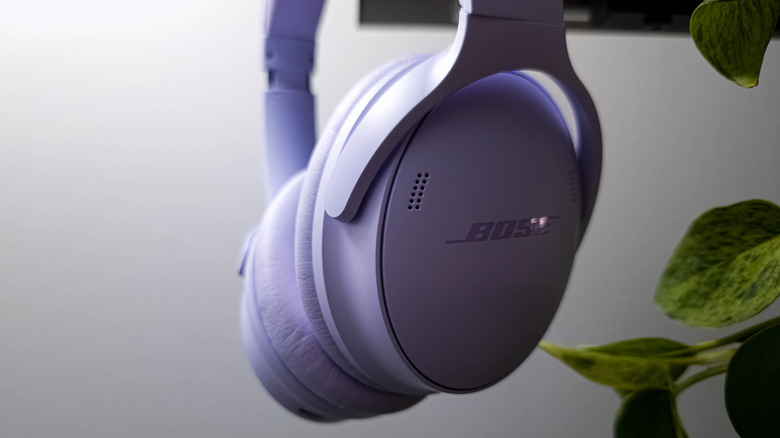
Passive cancellation works like putting your hands over your ears or wearing earmuffs—any headphone or earbud that covers the ear or fills the canal provides a baseline seal. Most over‑ear designs achieve this by surrounding the ear, while open‑back headphones and open‑ear earbuds such as the Shokz OpenDots 2 sacrifice isolation for a more natural listening experience, letting ambient sounds in for safety or situational awareness.

ANC adds a layer of electronic processing. Small microphones capture ambient noise, and the device creates an out‑of‑phase signal that cancels the original sound before it reaches the eardrum. Because the system reacts with a slight delay and struggles with unpredictable noises, manufacturers like Sony equip models such as the WH‑1000XM6 with up to twelve microphones to improve accuracy. Even the best ANC units still rely on a solid passive seal to reduce the workload on the processor.