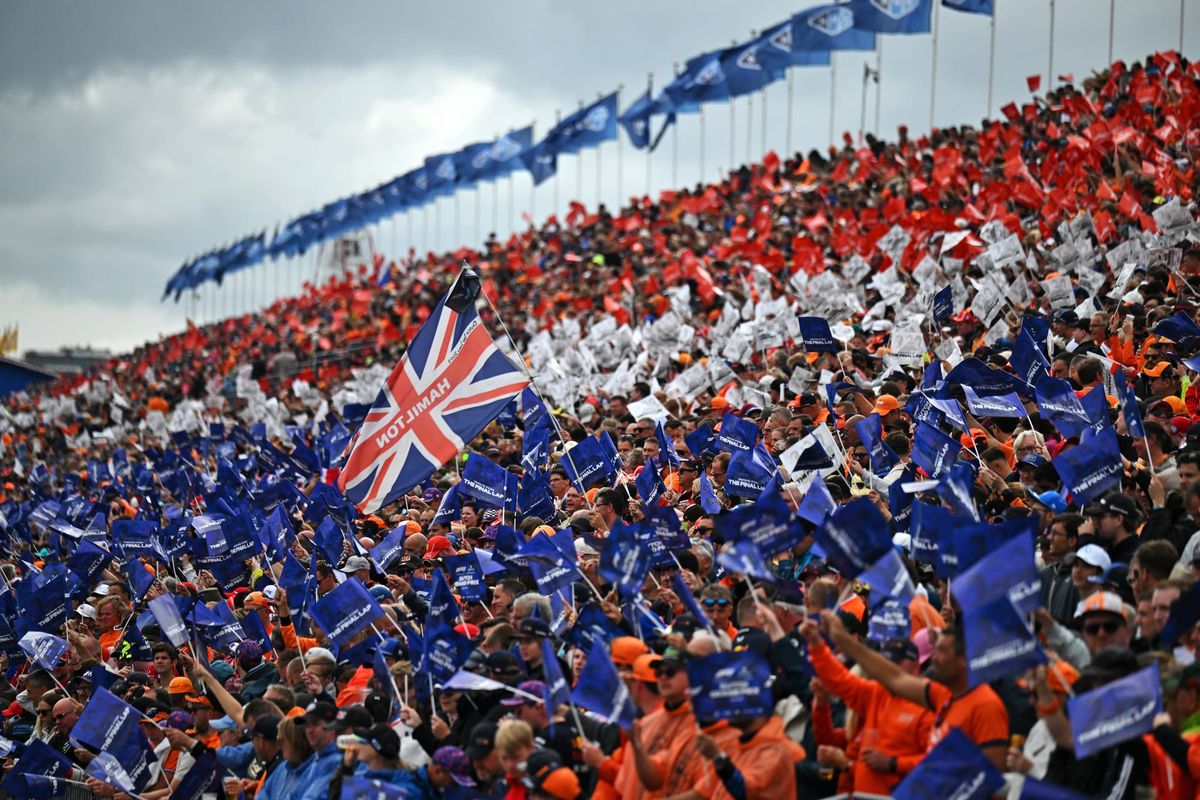
Formula 1’s global audience has ballooned to 830 million under Liberty Media’s leadership, a 64% jump since 2018. Nearly half the fanbase is now under 35, and 42% are female, reshaping how the sport engages its followers. The shift reflects a deliberate move away from the exclusivity of the Bernie Ecclestone era, embracing social media and Netflix’s *Drive to Survive* to broaden appeal.
The push to modernize has sparked debate over the 2026 rules, which divide opinion between casual newcomers and long-time fans. Some praise the action-packed overtakes, while others criticize changes like super-clipping as gimmicks. F1 CEO Stefano Domenicali’s recent remarks about clipping—misinterpreted as dismissive—highlight the challenge of balancing diverse expectations without alienating either group.
F1 insists the sport’s core remains intact: meritocracy on track takes priority over entertainment. While off-track content expands to cater to varied tastes, the rules and racing spectacle stay grounded. The risk now is maintaining this balance as the sport evolves, ensuring neither segment feels sidelined as global competition for attention intensifies.