U.S. airstrikes on Iranian soil slowed in August after frequent exchanges in July, shifting focus to economic pressure rather than direct military action. A dual strategy—sanctions and a maritime blockade—aims to erode Iran’s finances, with Treasury Secretary Scott Bessent calling the measures unprecedented in scope. The United Arab Emirates announced on August 19 it would suspend trade and financial ties with Iran, adding to the pressure.
The tightening measures risk provoking Iran to retaliate, potentially through attacks on shipping in the Strait of Hormuz or renewed strikes on U.S. assets and allies. President Donald Trump ruled out negotiations, stating no talks are "going on, or scheduled." The standoff now centers on which side can endure greater economic strain.
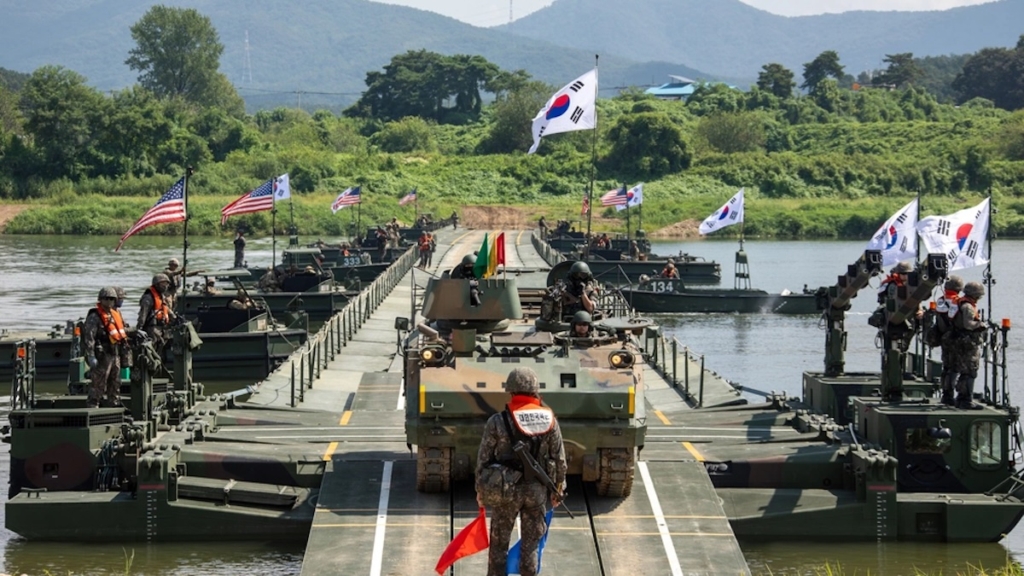
North Korea also protested U.S.-South Korean military exercises, a typical response to joint drills, but the broader contest remains focused on Iran’s economic resilience and Washington’s willingness to escalate.