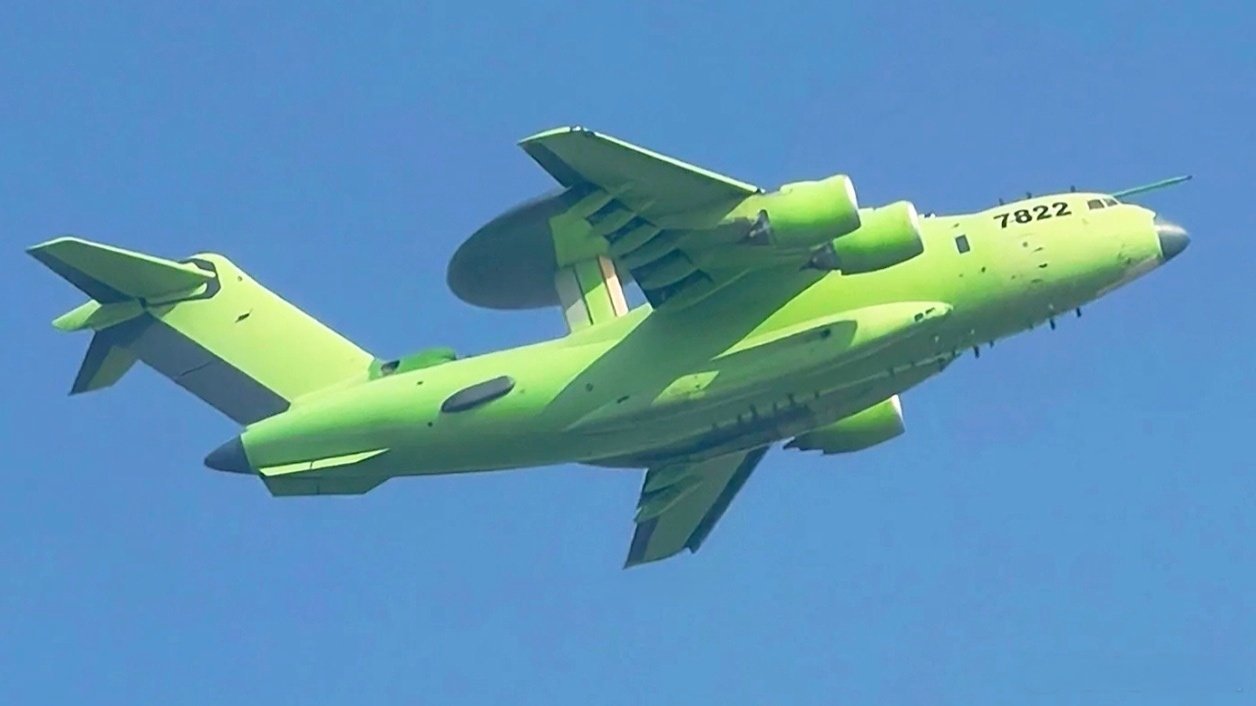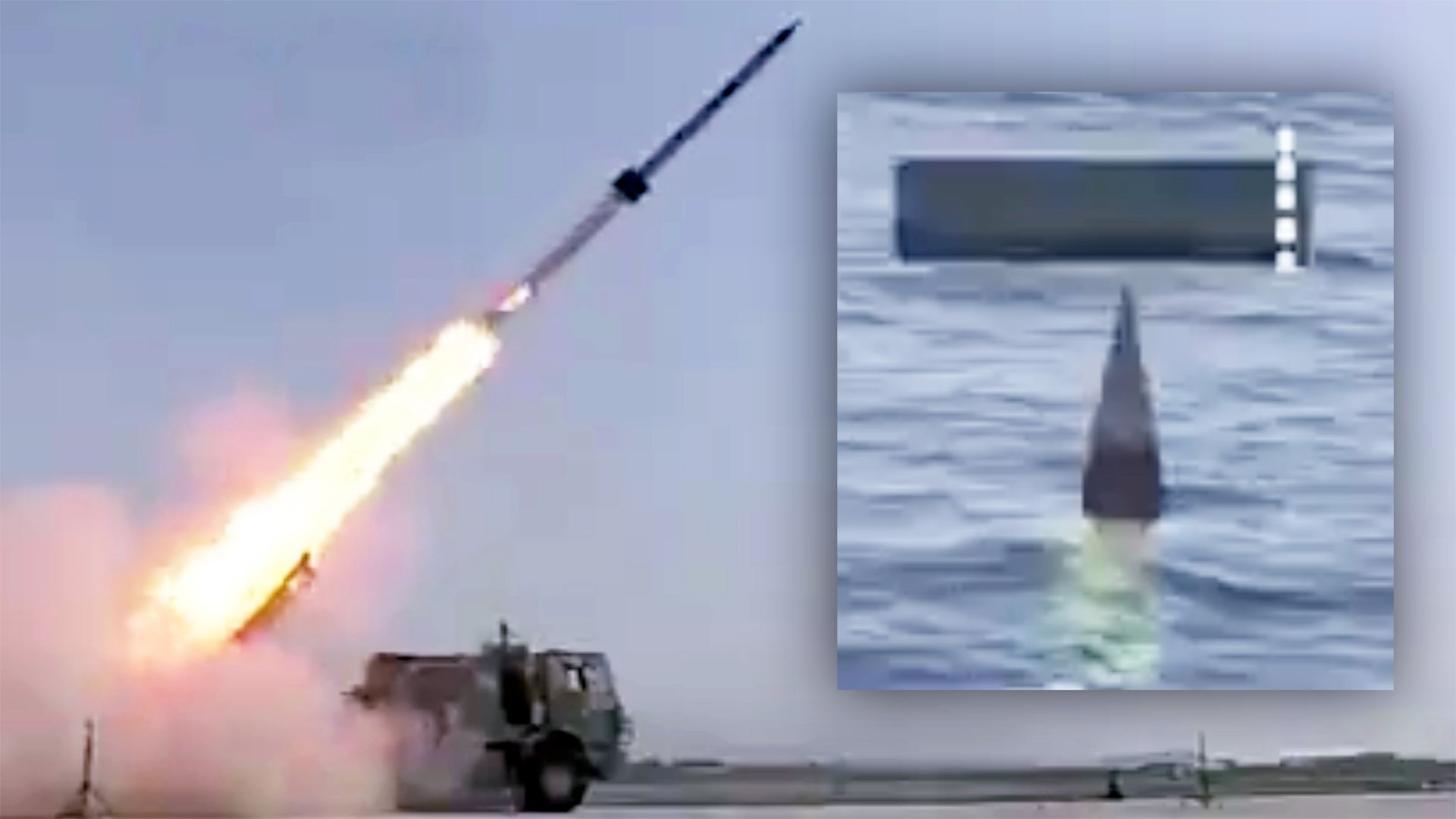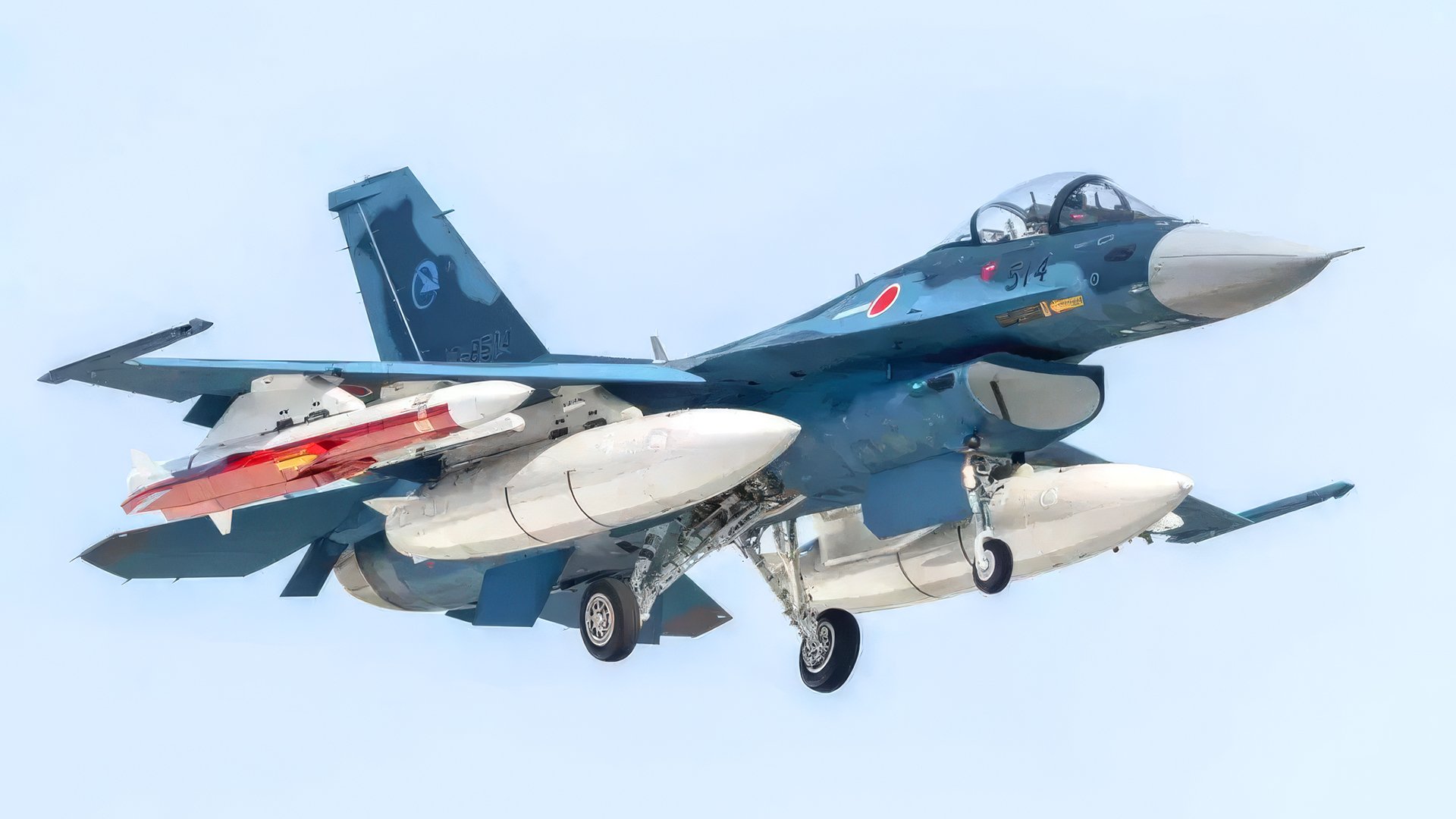
Japan’s Ministry of Defense has described the ASM-3 Kai supersonic cruise missile as an “air-to-surface/anti-air” weapon in its FY2027 budget request, suggesting a potential new role against high-value airborne targets. The ASM-3 family has previously been tied to anti-ship missions, but the wording hints at an expanded capability or a dedicated air-to-air variant.
The budget request, totaling ¥8.89 trillion ($56 billion), aligns with Japan’s push to enhance standoff strike and air defense systems. The ASM-3 Kai, a ramjet-powered missile with a reported range of over 400 kilometers and speeds around Mach 3, features an active/passive radar seeker. This configuration could enable it to detect and engage aircraft using radar emissions or active homing, particularly against non-maneuvering targets like airborne early warning planes.
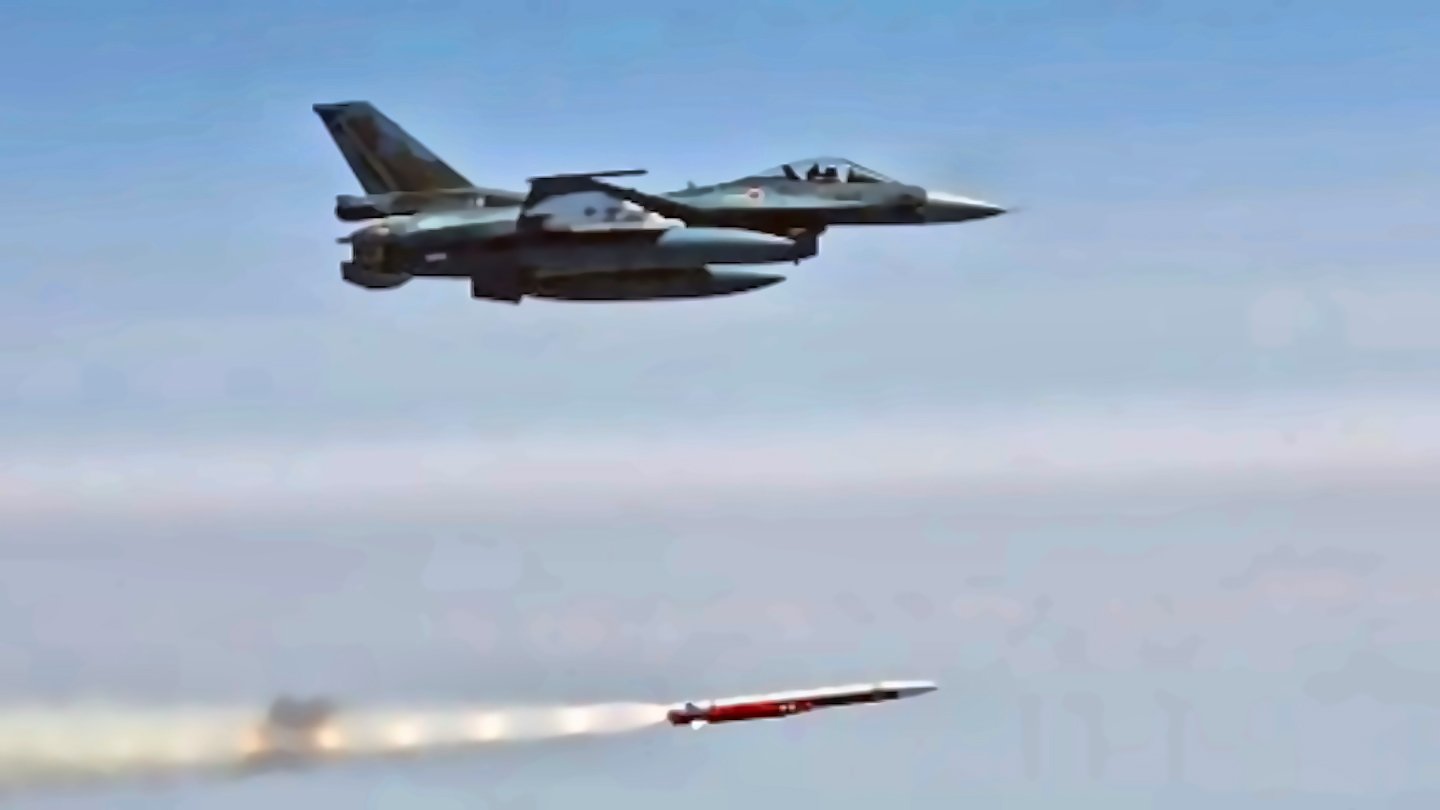
Whether the designation reflects a tested capability or a classification quirk remains unclear. Japan is also expanding its air-launched arsenal with weapons like the AGM-88G AARGM-ER and Upgraded Type 12 missile, underscoring a broader shift toward long-range strike and counterstrike options.