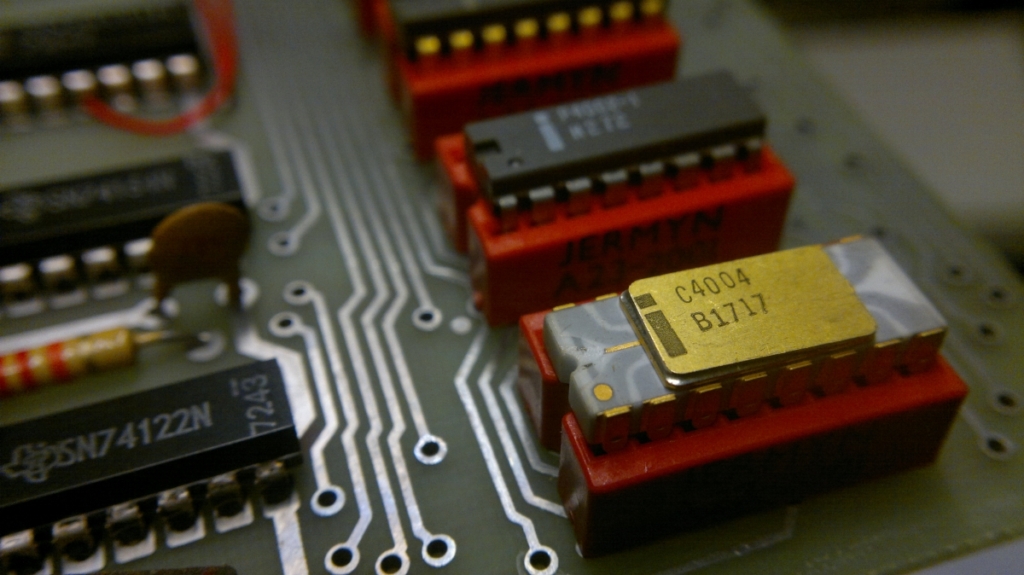
The development of the integrated circuit in the 1950s was a pivotal moment in American innovation, driven by government funding and private sector initiative. However, as the technology became commercially successful, the government's influence over its development waned.
The same pattern is emerging with artificial intelligence, where private firms are driving the development of frontier capabilities. While this has accelerated innovation, it has also altered the balance of influence between the state and industry.
The US government is now finding itself in the position of customer rather than sponsor, relying on private firms for access to advanced AI and semiconductor technologies. This shift has significant implications for national security and economic policy, as the US seeks to preserve domestic manufacturing capacity and secure access to strategically indispensable technologies.