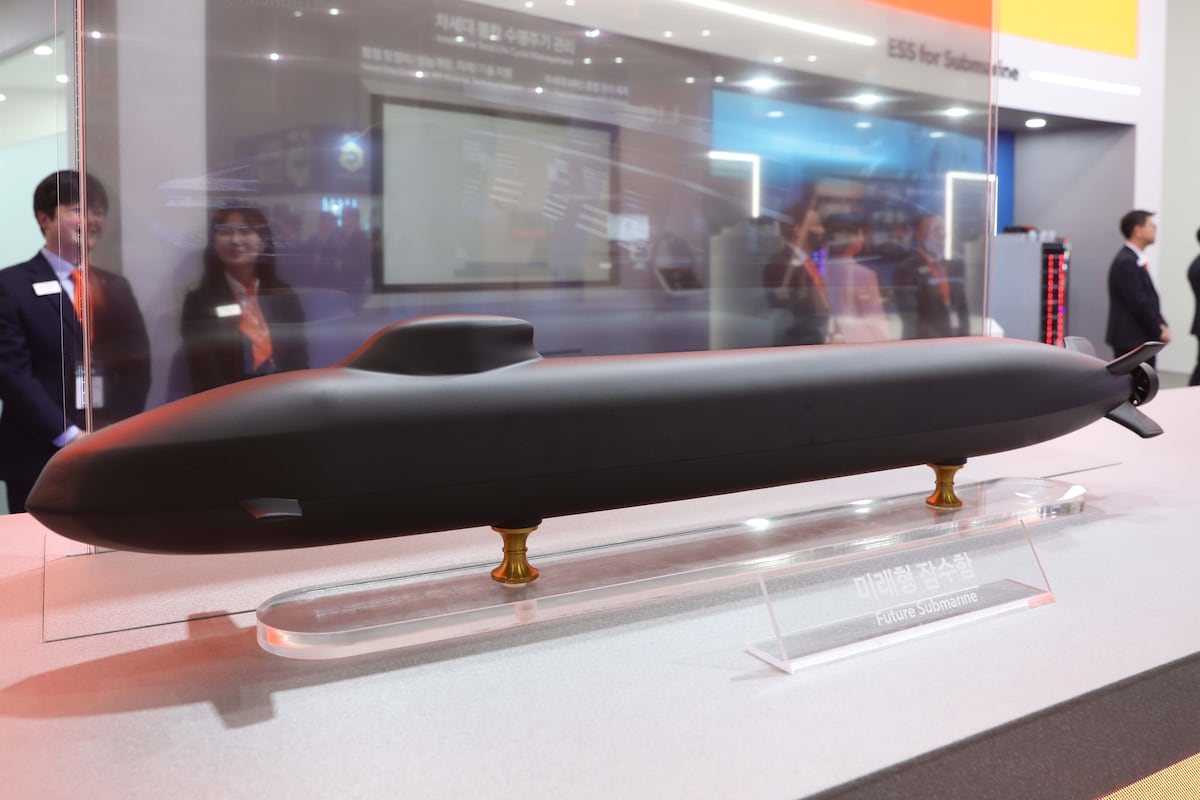
South Korea announced a 40‑year “Basic Plan for the Development of South Korean Nuclear‑Propelled Submarines,” targeting the launch of its first nuclear‑powered attack boat in the mid‑2030s and commissioning it in the late 2030s. The program, dubbed Jang Bogo‑N, will initially aim for four SSNs roughly the size of the U.S. Virginia class, displacing about 8,000 tons.
Officials say the move is driven by four factors: a need to counter North Korea’s submarine‑launched ballistic missile threat and to deter China, a desire to deepen joint operations with the United States, an effort to raise Korea’s standing in the international security arena, and a preference for a non‑nuclear deterrent amid regional nuclear pressures. The submarines will run on low‑enriched uranium in long‑cycle reactors, avoiding the highly enriched fuel used by U.S. vessels, and will incorporate advanced features such as a rim‑driven propulsor, AI‑based combat management and vertical‑launch missile bays.
The plan is framed as a domestic industrial project, linking shipbuilding, nuclear power and defense sectors and projected to create more than 40,000 jobs. Shares of Hanwha Ocean and HD Hyundai rose sharply after the announcement. Seoul will convene a U.S.–Korea working group on uranium supply in early June, while keeping an eye on potential Japanese responses that could shape regional security cooperation.