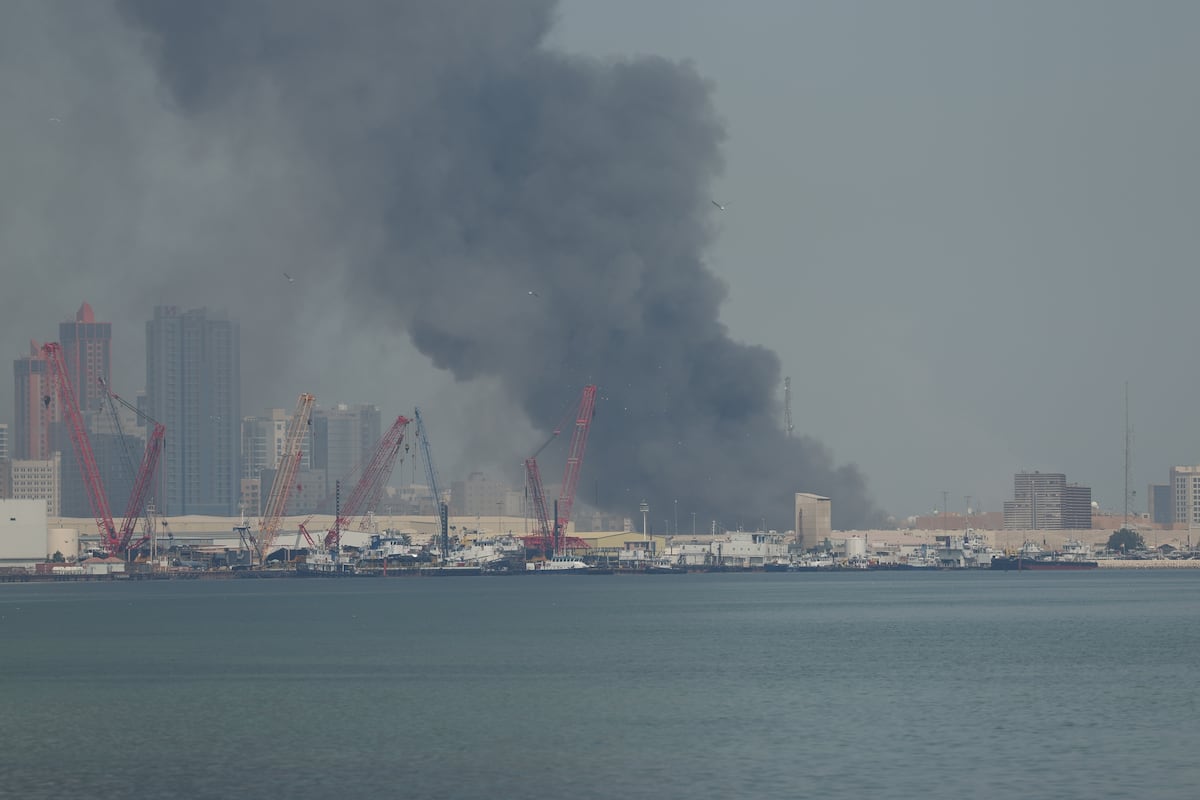
A recent analysis of the attacks on the U.S. Naval Support Activity (NSA) Bahrain during Operation Epic Fury reveals the full scale of damage to one of America’s most vital forward bases in the Middle East. The assault left the installation—home to the Fifth Fleet and NAVCENT—with an estimated $400 million in destruction, including the headquarters, barracks, warehouses, communications towers, and a potable water station. No fatalities were reported, but the base’s near-total uninhabitability has left over a thousand evacuated troops and families in limbo, many separated from personal belongings and pets.
The attack’s ripple effects are already visible. Supply shortages have disrupted operations for the USS Abraham Lincoln, forcing the U.S. to stretch logistics over thousands of miles—a constraint that will complicate maritime missions across the region. The incident also exposed vulnerabilities in ballistic missile defense, despite the U.S. Navy’s advanced capabilities. Analysts argue that inadequate protection left the base exposed to Iranian retaliation, raising questions about preparedness for predictable threats.
Six months later, the operational status of NSA Bahrain remains unclear, with Admiral Curt Renshaw acknowledging the situation has entered "uncharted territory." The damage forces a strategic retreat, potentially reducing the U.S. footprint in the Gulf and undermining support for regional allies. Without reconstituting the base to near-pre-attack levels, the Navy’s ability to project power and sustain coalition operations will be fundamentally altered.