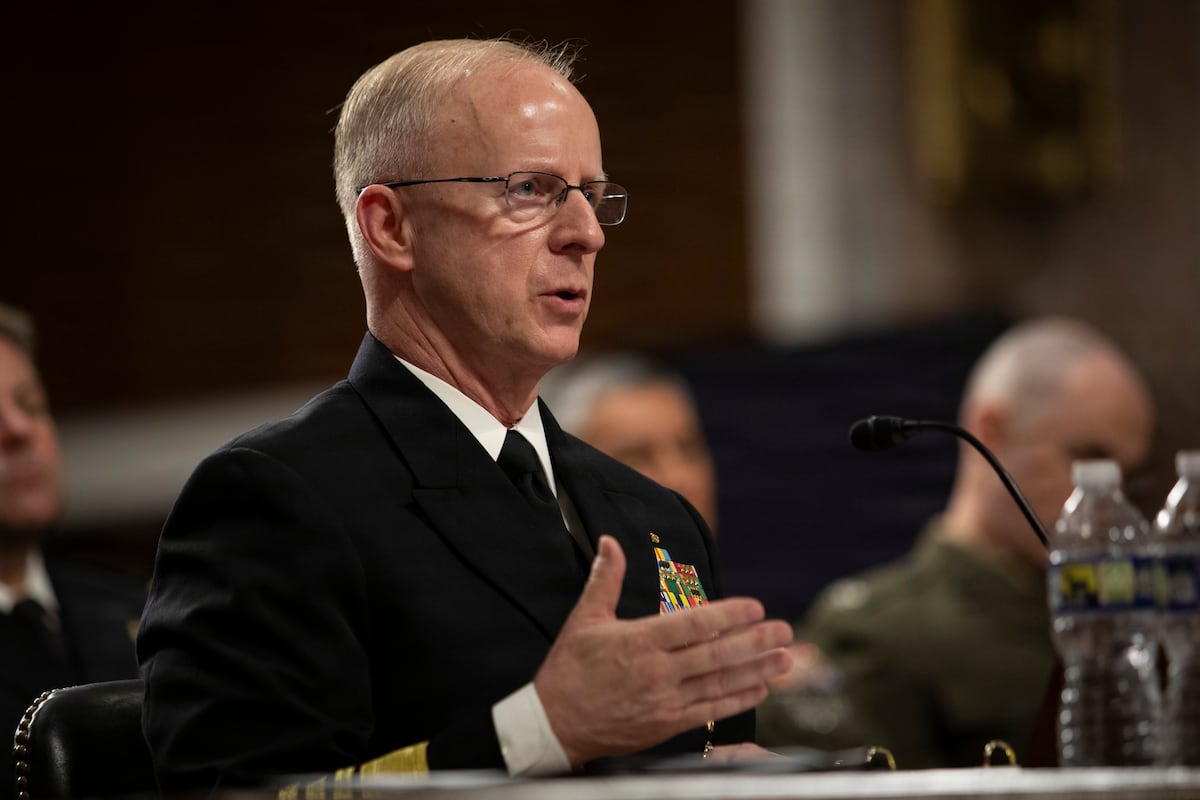
The U.S. Navy is adjusting its resupply strategy following the USS Abraham Lincoln’s 270-day deployment, which saw sailors face shortages of hygiene products and food beyond basic rations. Chief of Naval Operations Adm. Daryl Caudle acknowledged issues during the carrier’s 250 days without a port visit, including reports of empty food trays and deteriorating mental health, though he did not confirm specific accounts. Shortages of soap, toothpaste, and other essentials were prioritized behind food, and sailors described severe hardships, including two reported suicide attempts.
Caudle confirmed the Navy is now eyeing port calls in Kenya, Diego Garcia, and India to reduce vulnerability to regional threats, though he noted these locations add logistical costs and time off-station. He also highlighted efforts to improve communication about deployment extensions to ease family stress, emphasizing better coordination with combatant commanders to set clearer timelines. The Theodore Roosevelt strike group is next in line for deployment this fall, with preparations underway to stockpile ship-store items and critical parts.
The changes follow lessons learned from the Lincoln’s deployment, dubbed Operation Epic Fury by the Pentagon, where initial resupply hurdles were later addressed. Caudle stressed the need for risk-sharing between the Navy and combatant commanders to deliver more predictable deployment schedules and reduce operational strain.