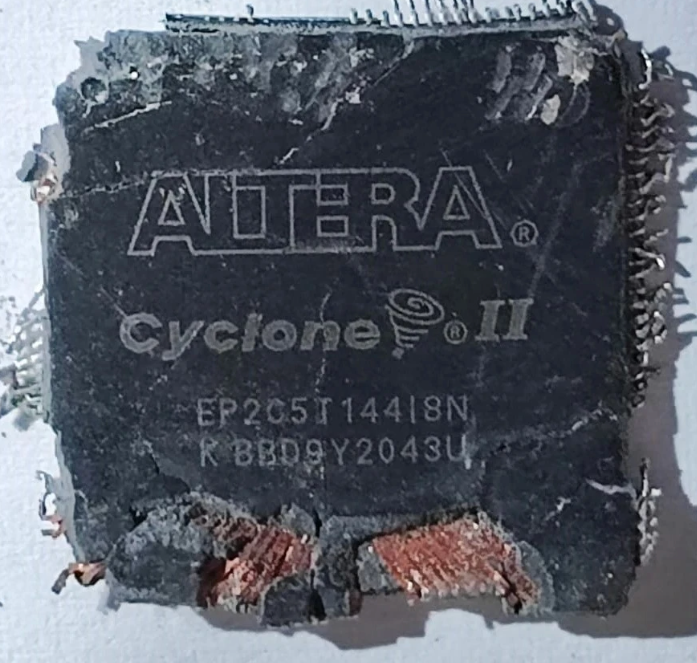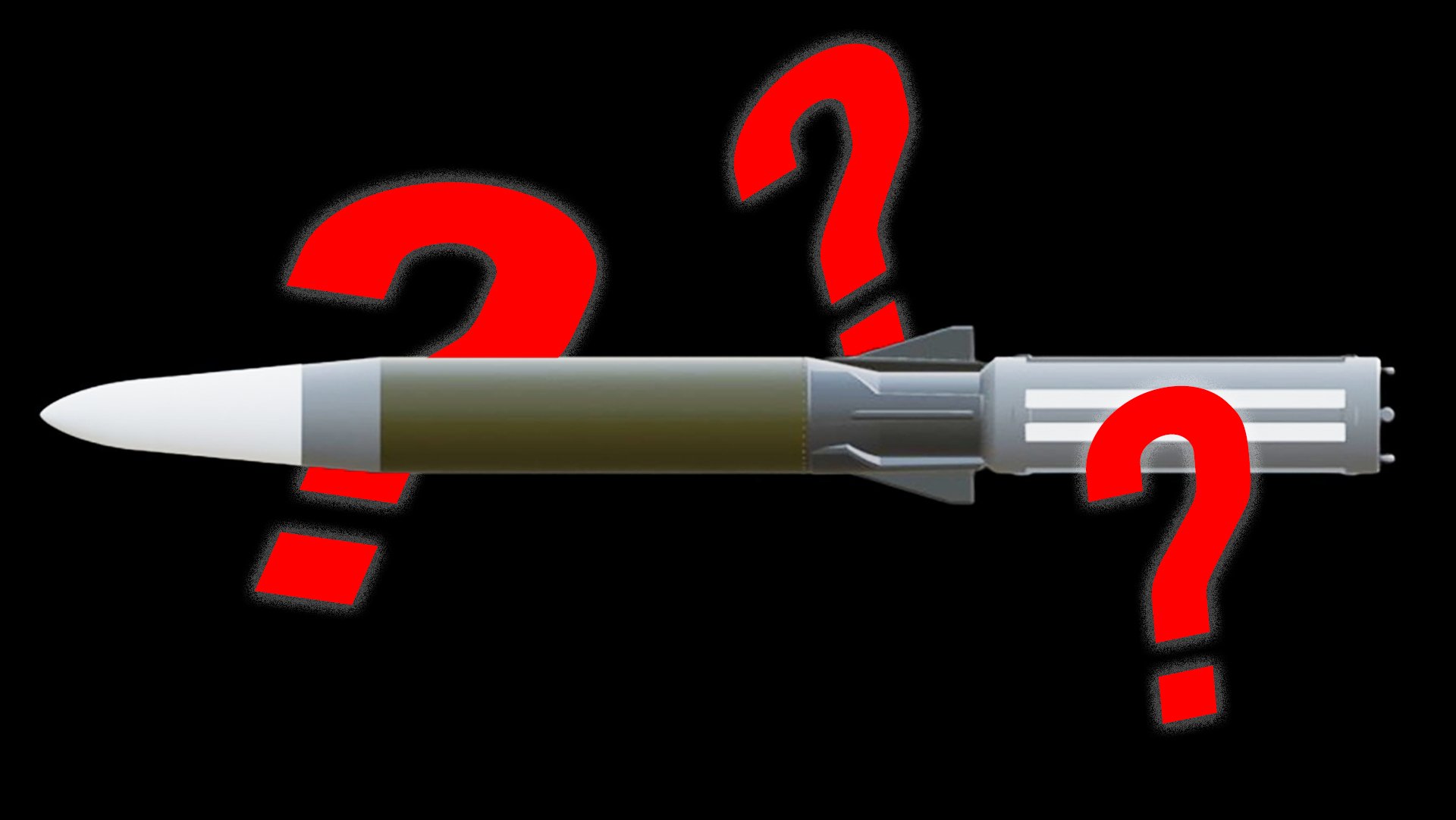
A detailed Ukrainian intelligence report challenges the classification of Russia’s 3M22 Zircon missile, suggesting it operates as a maneuverable quasi-ballistic weapon rather than a true hypersonic cruise missile. The analysis, released by the Main Directorate of Intelligence (GUR), maps a 70-company production chain and identifies U.S.-origin electronics, including components from TriQuint Semiconductor (now Qorvo) and Altera (now Intel), in recovered missile debris.
The report provides a component-level breakdown of the Zircon, including its radar seeker, onboard computer, propulsion system, and warhead. Ukrainian specialists point to solid-fuel rocket motors and the absence of a clear air intake as evidence against an air-breathing propulsion system. Instead, they propose a two-stage, rocket-powered design that accelerates to hypersonic speeds before descending on a variable trajectory, a profile consistent with recent intercepts by Patriot PAC-3 systems.
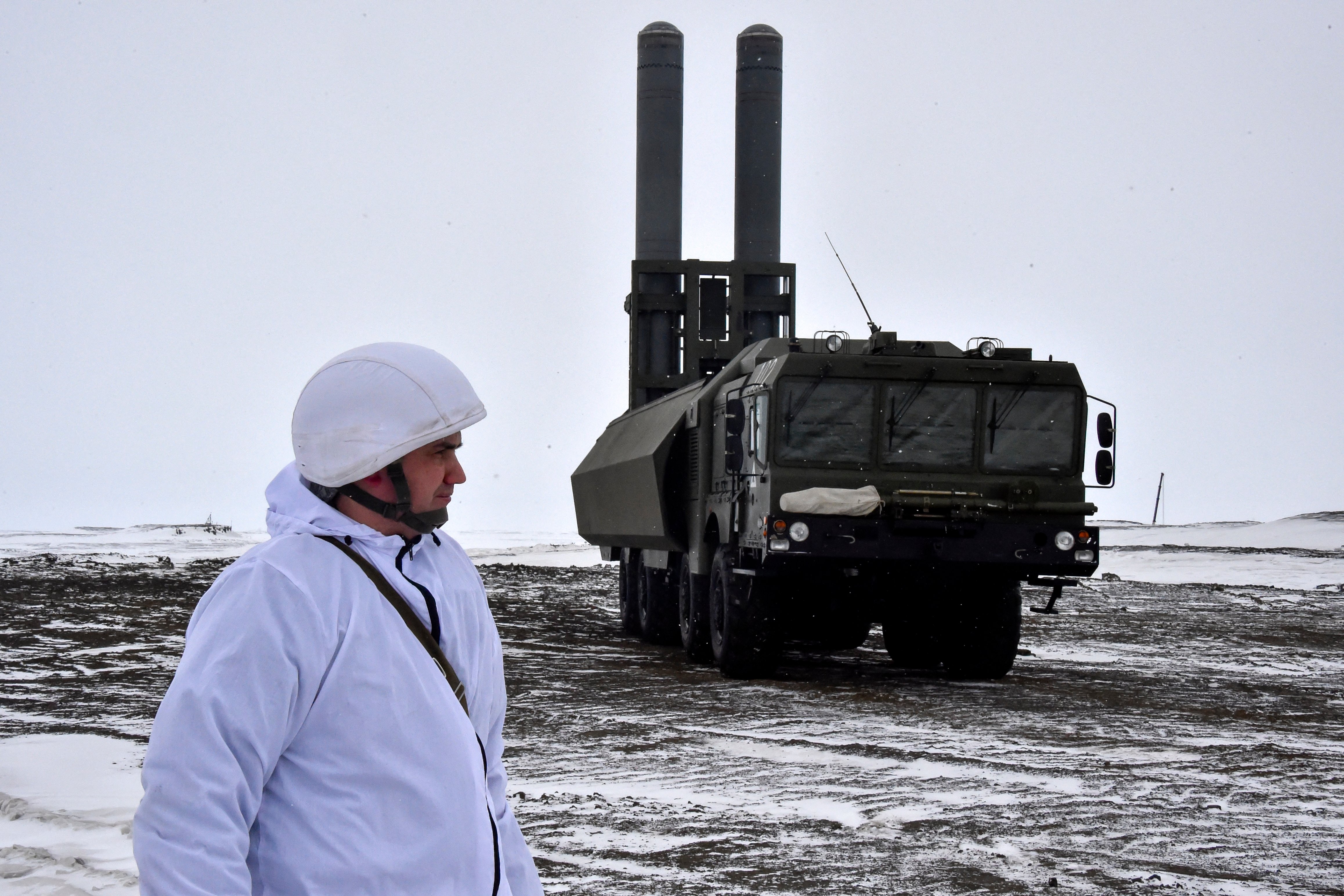
The findings raise questions about how Western-origin electronics reached Russian production lines despite sanctions. While the GUR does not claim U.S. companies knowingly supplied the components, it highlights China as a potential intermediary in the global chip supply chain. The report also underscores the missile’s adaptability, with evidence of ground-based launches from modified K-300P Bastion systems in occupied Crimea.