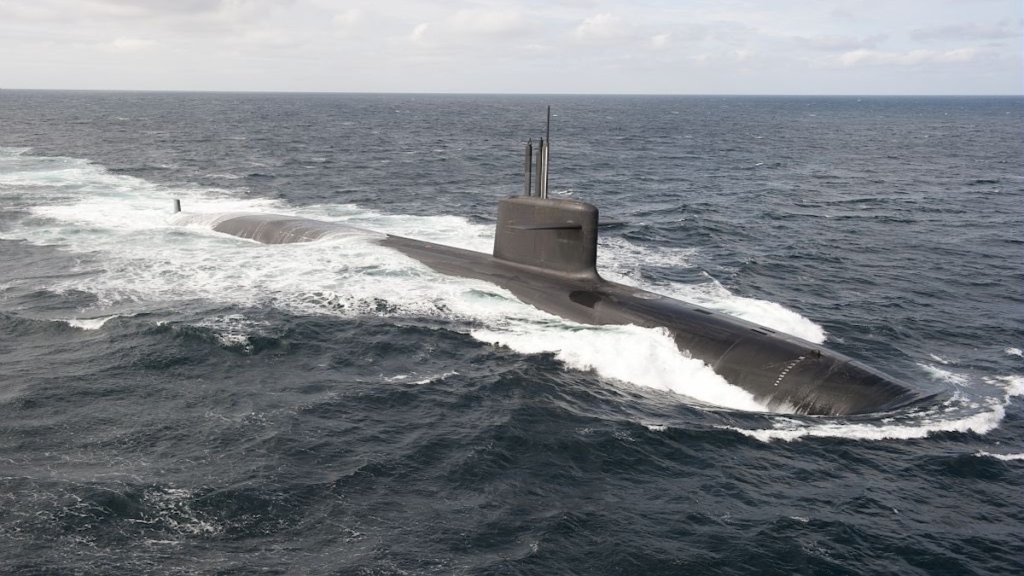
French President Emmanuel Macron has announced a major shift in the country's nuclear policy, marking a departure from traditional principles of strict sufficiency, calibrated disclosure, and sovereign restraint. The new approach includes an increase in nuclear warheads, an end to transparency over the size of the force de frappe, and the launch of 'advanced deterrence', a framework offering European partners strategic dialogues and potential forward basing of French dual-capable aircraft.
This move is seen as a response to Europe's perceived loss of faith in U.S. extended nuclear deterrence. Eight NATO members have signed on to the 'European dimension' of the French nuclear deterrent, with the goal of creating a fallback capability without openly challenging Washington.

However, the success of this initiative hinges on whether Paris and its partners can entrench it through regular ministerial consultations, joint exercises, and treaty-level commitments before French domestic politics gets in the way. Macron's presidency ends in 2027, and the far-right National Rally party has expressed hostility to European nuclear commitments, posing a significant threat to the framework's survival.