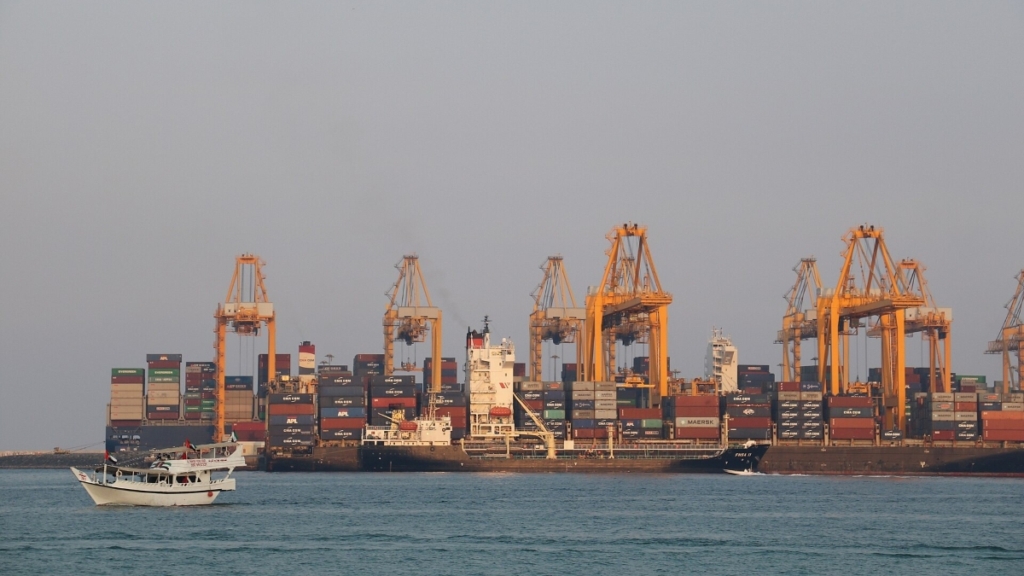
Iran's threats to shipping through the Strait of Hormuz, in response to US and Israeli strikes, effectively closed the strait and sent economic shockwaves worldwide. Following negotiations between Tehran and Washington, Iran has eased restrictions, and shipping traffic has increased, albeit below pre-war levels.
The incident has demonstrated Iran's ability to shut down the strait, prompting countries to reduce their reliance on the route. In response, individual Gulf states are accelerating plans to develop workarounds, such as new pipelines, road and rail links, and oil storage facilities outside the Gulf region.
The next step may be to deepen security, defense, and economic integration at the Gulf Cooperation Council level, requiring significant political will from member states. As the situation unfolds, countries are adapting to the uncertainty in the Strait of Hormuz, seeking to mitigate the risks of future disruptions.