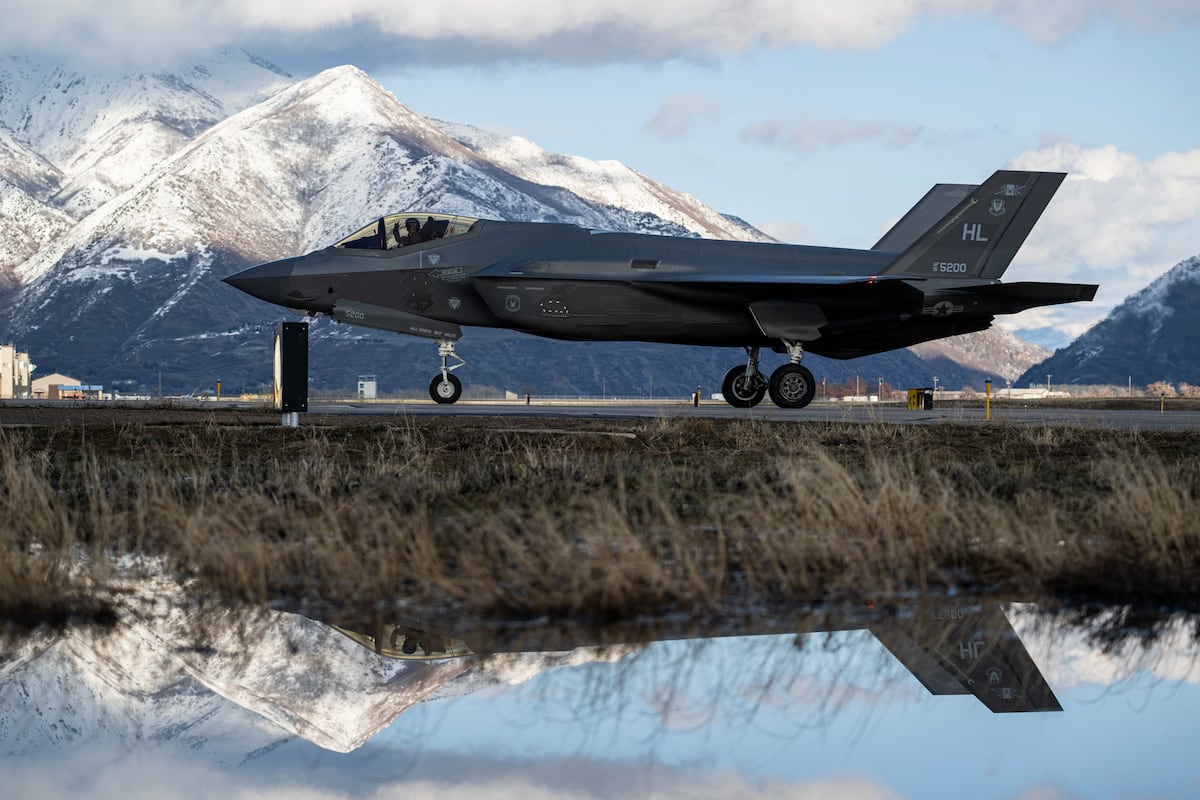
The Government Accountability Office released a report Thursday showing the F‑35 Lightning II’s readiness has continued to erode. By fiscal 2025 the fleet’s full‑mission capable (FMC) rate fell to just 25%, down from 38% in fiscal 2021, while the broader mission‑capable (MC) figure dropped from 67% to 44% over the same period.
Air Force officials cite software delays on new jets, chronic spare‑parts shortages and corrosion problems as primary drivers of the decline. The report also highlights that the Joint Program Office (JPO) paid Lockheed Martin more than $114 million in incentive fees despite stagnant or worsening readiness metrics, and that adjustments to reported rates often credited factors outside the contractor’s control.
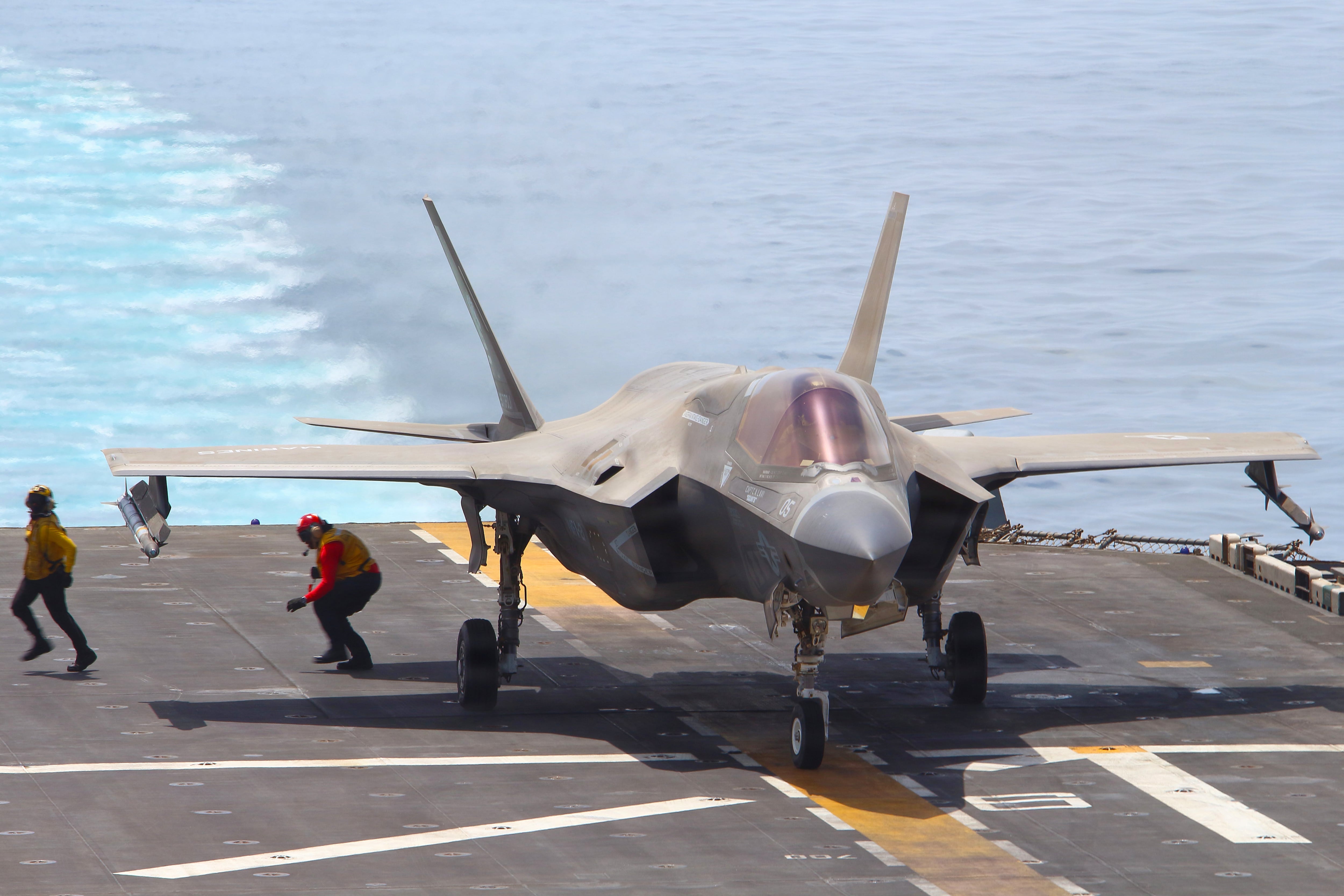
In response, the JPO launched the Global Support Solution Reset in June 2025, targeting an 80% MC rate and 65% FMC rate by 2030. The plan adds roughly $13.7 billion to the sustainment budget through fiscal 2031—$2.2 billion earmarked for the reset itself and the remainder covering a funding gap. GAO warns the effort hinges on private‑sector capacity for over $7 billion in parts and could face a $1.2 billion annual shortfall by the mid‑2030s.
The Pentagon has adopted 14 of GAO’s 46 recommendations to date, but the F‑35 remains the backbone of U.S. air power, with more than 800 aircraft in service and plans for about 1,700 additional units, a program whose lifetime sustainment cost is projected at $1.6 trillion.