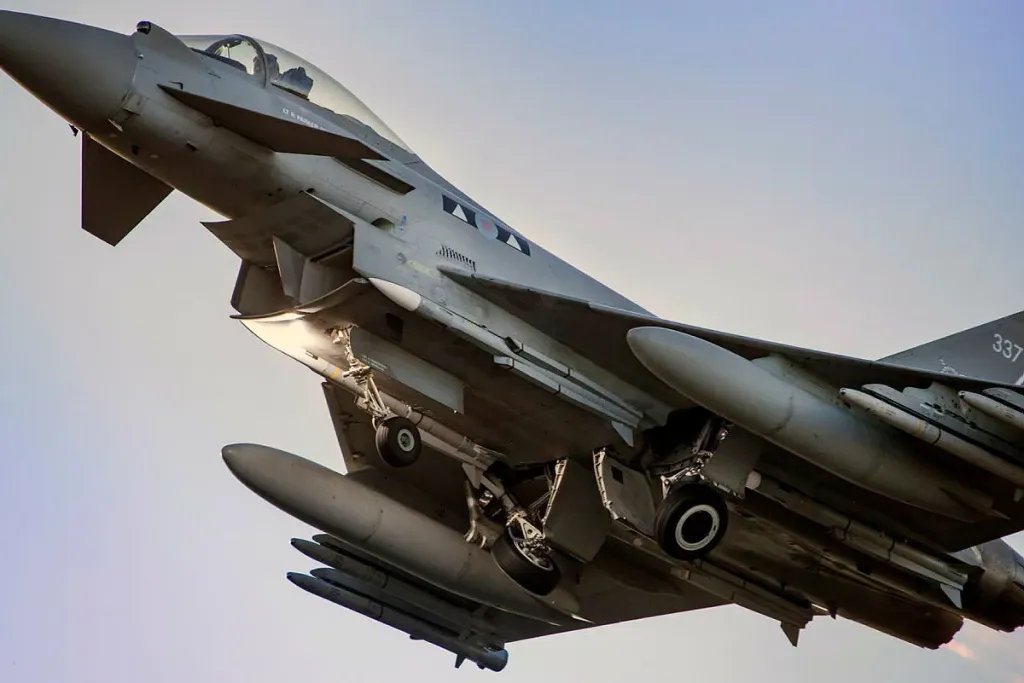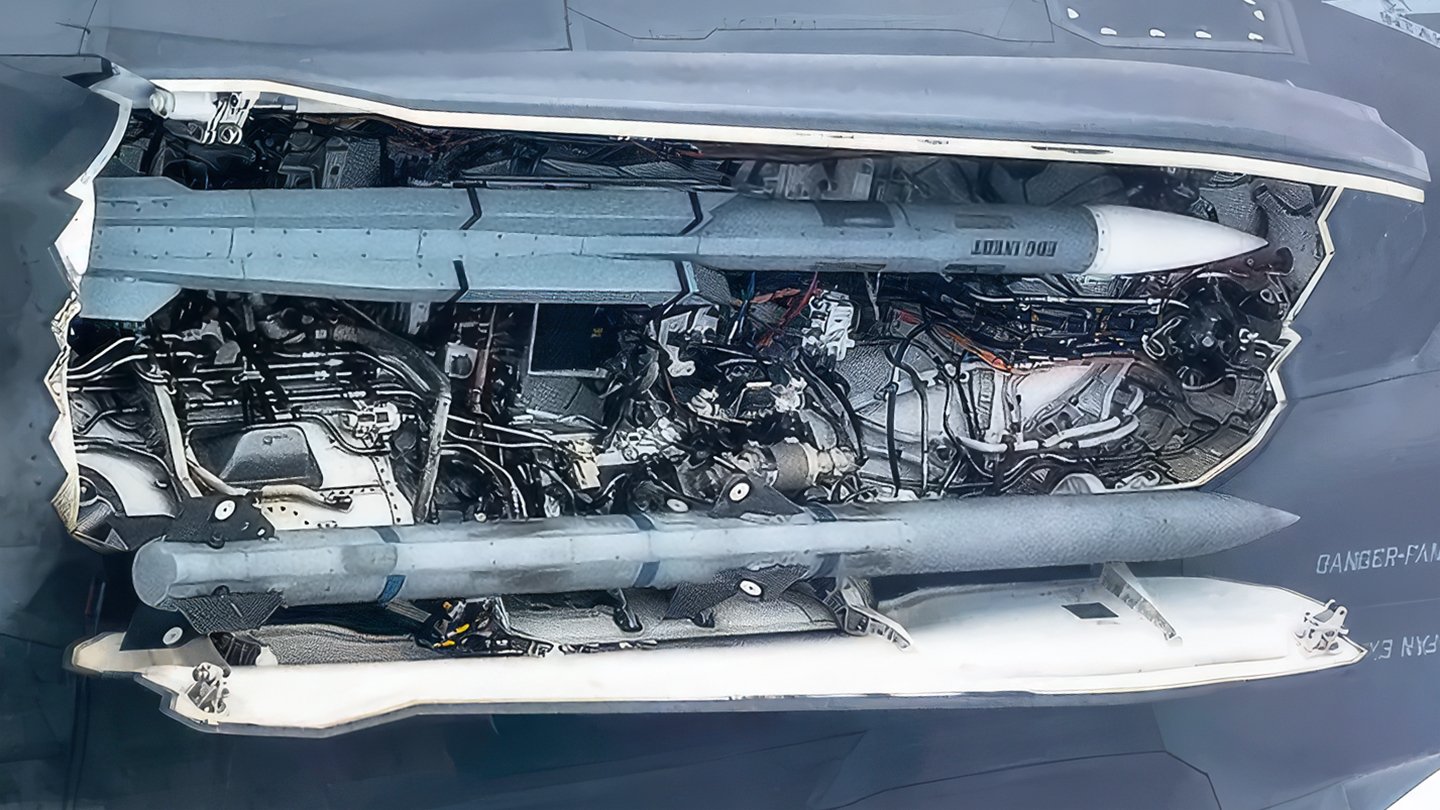
Europe is advancing plans for its next generation of beyond-visual-range air-to-air missiles, aiming for weapons that are larger, faster, and more networked than the current MBDA Meteor. The shift responds to the rapid development of Chinese long-range missiles like the PL-15 and lessons from recent air combat in South Asia, where underestimating opponent capabilities led to losses.
France’s Comet program, led by MBDA, targets a significant leap beyond the existing MICA family, with a potential fielding timeline around 2030. Meanwhile, the U.K.’s Future Air Superiority Effectors (FASE) program focuses on a successor to Meteor by the early-to-mid 2030s, designed to outperform even mid-life upgrades. Both efforts reflect a broader reassessment of Europe’s air-to-air missile architecture, including a joint Franco-British study launched in April to map future threats and missile concepts.
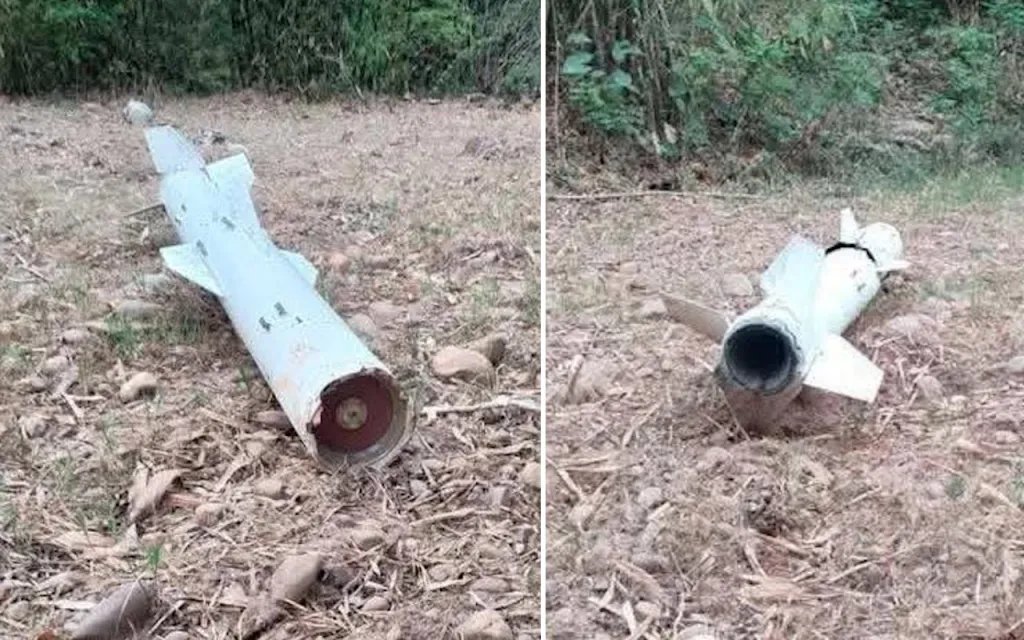
Key challenges include balancing speed, range, and terminal energy. Meteor’s ramjet propulsion offers sustained energy but trades off average speed, while Chinese missiles like the PL-15 maintain higher velocities longer. Analysts suggest future European weapons may prioritize solid-propellant motors or multi-pulse designs to achieve Mach 5+ speeds without sacrificing range or maneuverability. The Tempest combat aircraft’s expanded internal bays could enable larger missiles, supporting more fuel, propulsion systems, and advanced seekers.