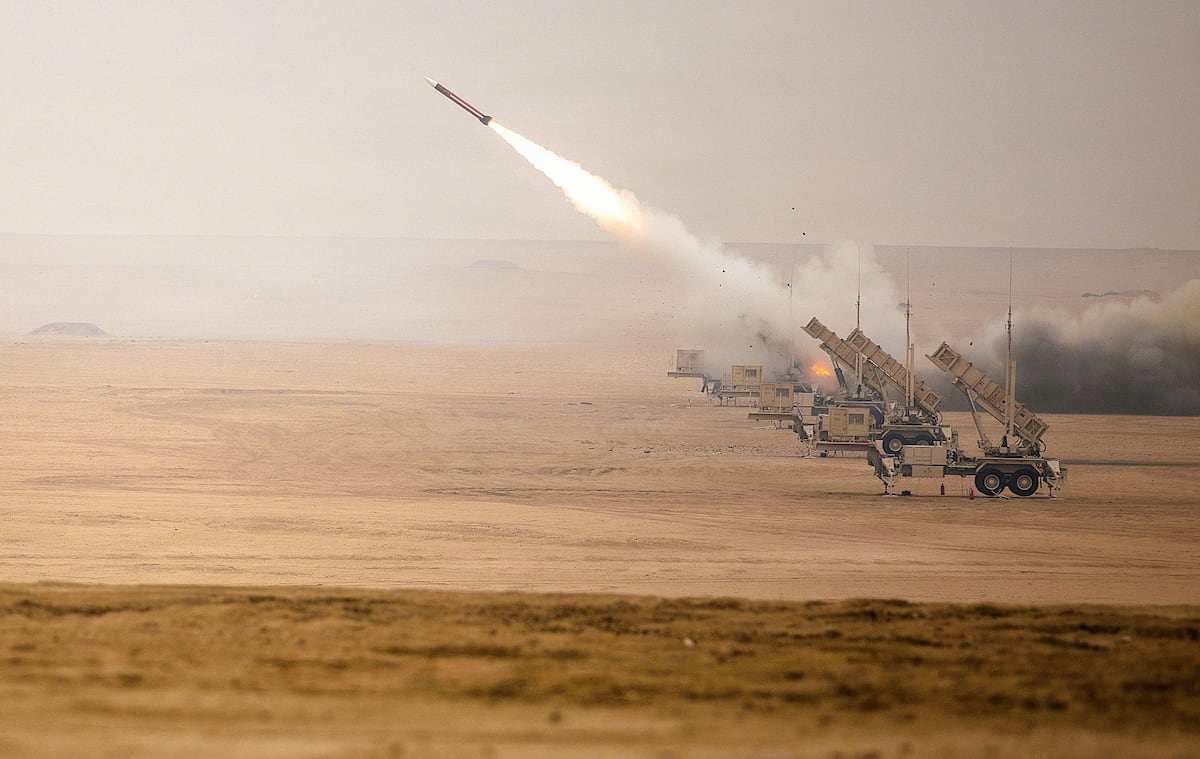
A fresh push to replace the pricey Patriot system has emerged after the U.S.–Israeli war with Iran drained two‑thirds of America’s pre‑war inventory. Officials hope the urgency will bring the first prototype interceptors to field by the end of 2026, far ahead of today’s production schedule.
Three tracks now dominate the effort. First, a U.S. license would let Ukraine assemble PAC‑3 missiles, keeping the roughly $4 million price tag but moving production to a safer location, possibly Poland. Second, Ukraine’s startup Fire Point unveiled the Freyja system, built around a $700,000 FP‑7.X interceptor that uses a high‑explosive fragmentation warhead and aims to produce three rounds a day starting August, with a first live intercept slated for late 2027. Third, Lockheed Martin introduced the PAC‑3 ACE, a cheaper, dual‑role round priced at about $2 million, designed to counter air‑breathing threats and slated for flight tests in early 2028.

The Pentagon’s new $58.6 billion contract will triple Patriot production by 2030, while NATO allies scramble to integrate these emerging solutions. If the accelerated timelines hold, the combined effort could reshape air‑defense capabilities for Ukraine and other partners facing mass ballistic attacks.