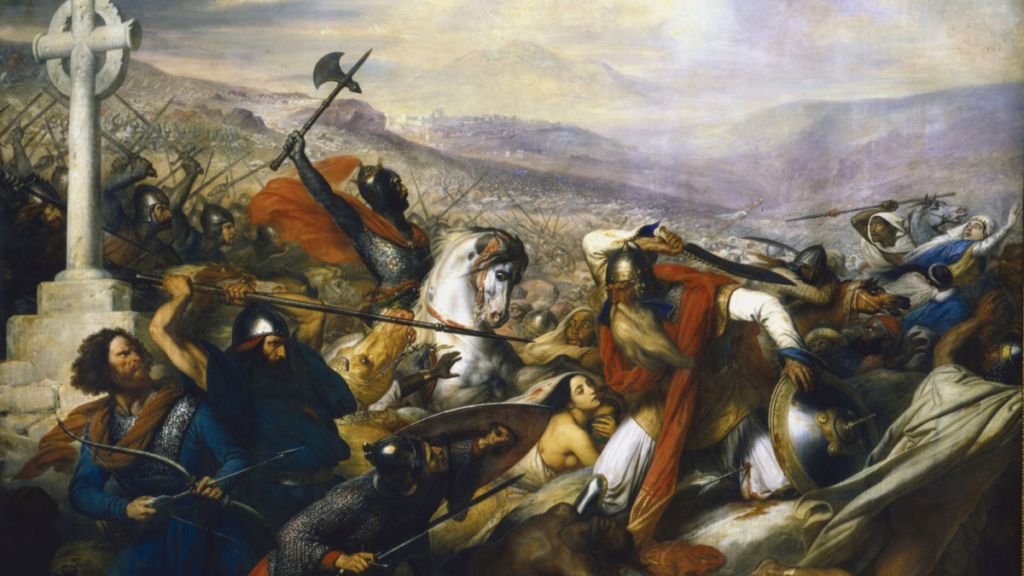
Historians now widely agree the Battle of Tours, fought in October 732, had negligible long-term strategic impact despite its outsized myth. Contemporary chronicles treat it as one of many skirmishes in Gaul, not a civilizational turning point. Frankish leader Charles Martel’s victory over Umayyad forces halted a temporary raid but did not stop Muslim incursions into the region, which persisted for decades.
The myth of Tours as a decisive Christian defense against Islam stems from later medieval and modern reinterpretations. Texts like *The Song of Roland* and 18th-century historians like Edward Gibbon amplified its significance, framing it as a battle between Christendom and Islam. Yet Frankish accounts from the time describe Tours as a routine conflict over land and wealth, not a religious war.

Political groups continue to weaponize the battle’s legacy, using it to justify anti-Islamic narratives. Historians such as Franco Cardini and Tomaz Mastnak emphasize that Tours was less important than the myth it spawned, a pattern seen in other battles mythologized for modern agendas.