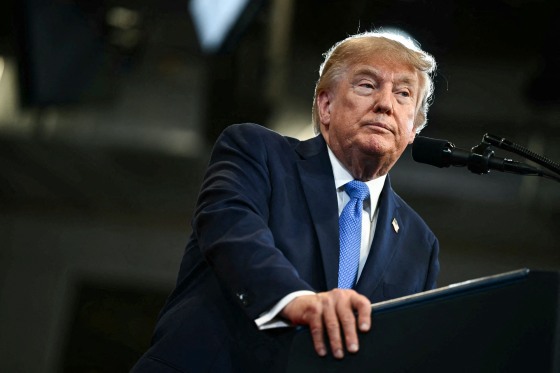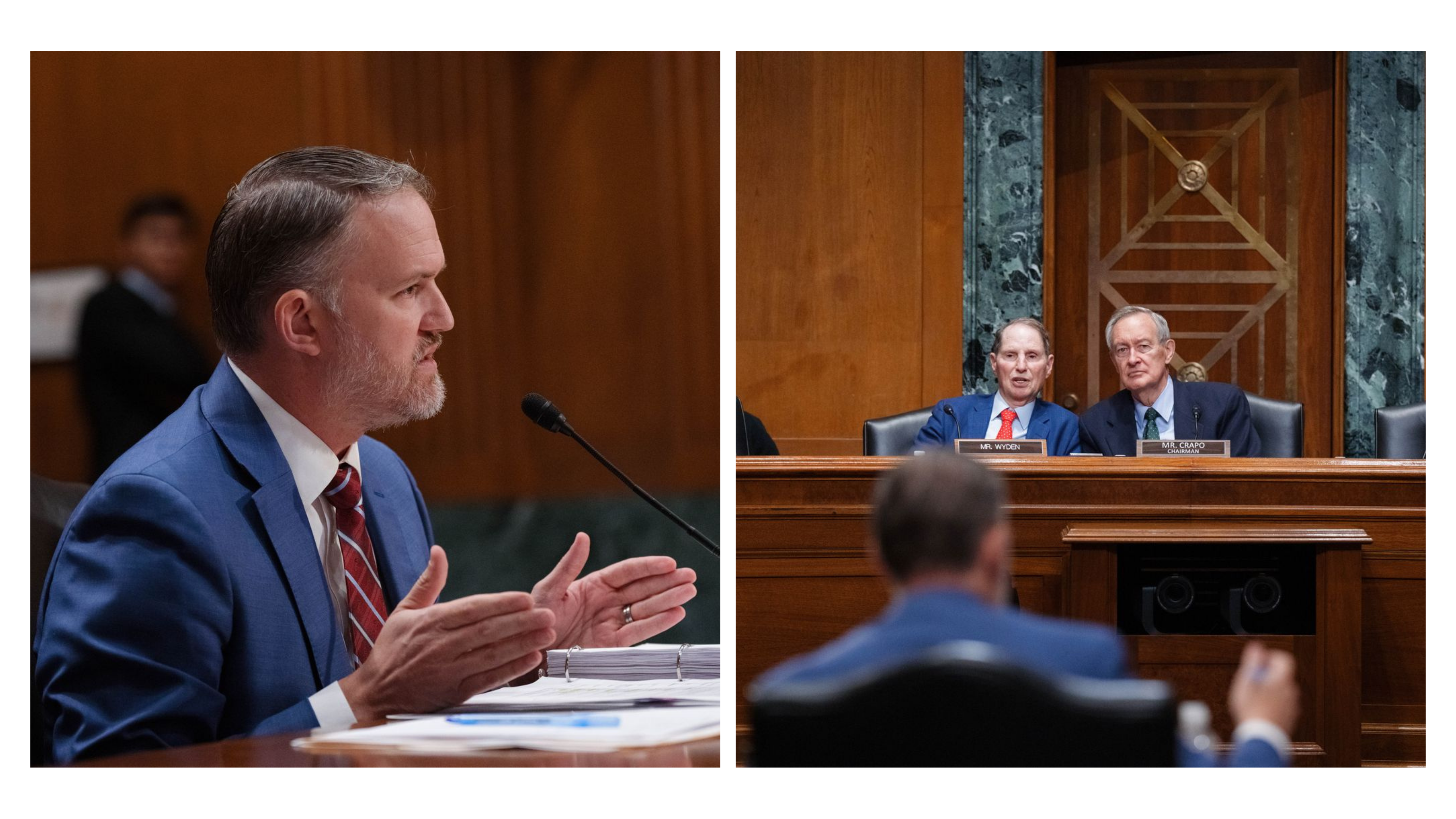
Ambassador Jamieson Greer appeared before the Senate Finance Committee to detail how President Trump’s tariff strategy and new trade accords are meant to raise wages and broaden market reach for American farms, factories, and workers.
Greer pointed to the U.S.-Jordan Reciprocal Trade Agreement and a claim that more than two billion consumers now have access to U.S. agricultural products. He also cited recent economic data: the consumer price index slipped 0.4% in June, core inflation fell to 2.6%, and staple items such as eggs, butter, appliances, cheese, prescription drugs, and chicken all posted price declines. Manufacturing employment is up roughly 16 000 jobs, while construction roles have risen by over 83 000 since Trump took office.
Senators underscored bipartisan backing for safeguarding domestic jobs, noting that a 50% tariff on Canadian goods—including alcoholic beverages—was imposed to counter perceived unfair treatment. Greenfield investment and a surge in manufacturing productivity in late 2025 suggest the administration is reversing the previous decline in U.S. manufacturing output.