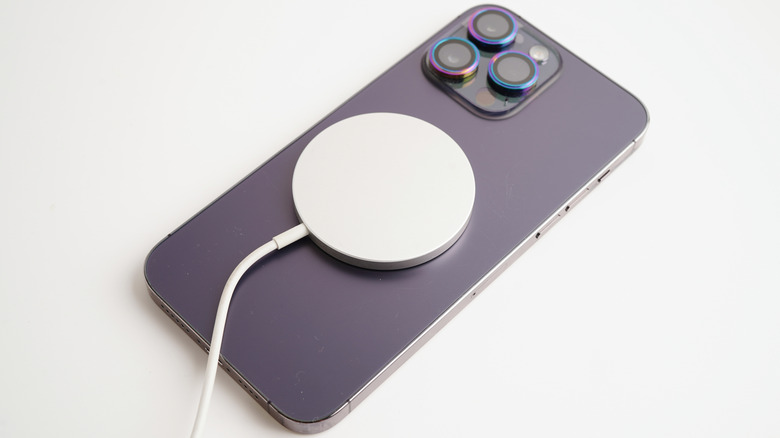
Wireless charging pads are now standard on many smartphones, but they consume noticeably more electricity than a cable. A 2020 OneZero analysis found a full charge from zero to 100 percent requires roughly 15 Wh via a wired connection, while the same charge on a pad needs about 21 Wh – a 40 percent increase. An iFixit test of Apple’s MagSafe charger reported a 36 percent higher energy draw, and misaligned pads can cut efficiency in half.
The extra draw translates to a daily shortfall of around 6 Wh per device. Over a year, a wired charger uses about 5.5 kWh, versus 7.6 kWh for wireless, and with 30‑66 % of owners using pads at home, the cumulative effect is significant. If just 30 % of the 7.6 billion smartphones worldwide charge wirelessly, the wasted electricity could total roughly 4,830 GWh – enough to power hundreds of thousands of homes for a year.
Higher heat output is the main cause of the loss, as electromagnetic induction and the air gap between phone and pad dissipate 20‑30 % of power, on top of the 5‑10 % conversion loss all chargers incur. Prolonged heat can accelerate battery wear, so manufacturers embed temperature sensors that throttle charging around 45 °C. Users should keep pads in ventilated spots, avoid covering them, and steer clear of cheap, unbranded chargers that lack safety features. While newer standards such as MagSafe and Qi2 improve coil alignment and reduce waste, wireless charging is unlikely to ever match the efficiency of a simple wired plug.