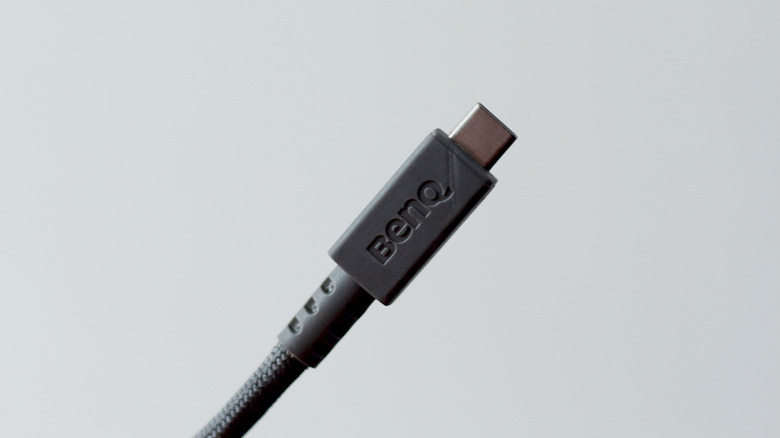
USB4 cables command premium prices—typically $20 to $60 for a reputable brand—because they handle far more than basic charging or file transfers. A single cable can push up to 80 Gbps of symmetric bandwidth under the latest USB4 Version 2 spec, enough to run external monitors, high-speed SSDs, docking stations, and still power a laptop.
The catch is that USB-C’s reversible connector doesn’t reveal a cable’s actual speed. A cable labeled USB-C might top out at USB 2.0’s 480 Mbps, while a USB4 cable is required for the highest speeds. Even Apple’s iPhone 15 Pro Max ships with a USB 2.0 cable despite having a 10 Gbps port.
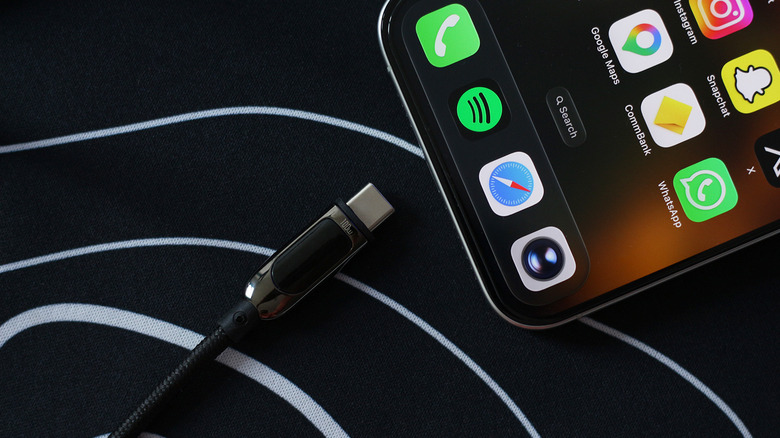
Buyers only need USB4 if their devices support it. Otherwise, cheaper power-delivery cables suffice for charging. USB4’s backward compatibility means the same cable can still charge older USB-C gadgets, but the premium only pays off when paired with compliant hardware.