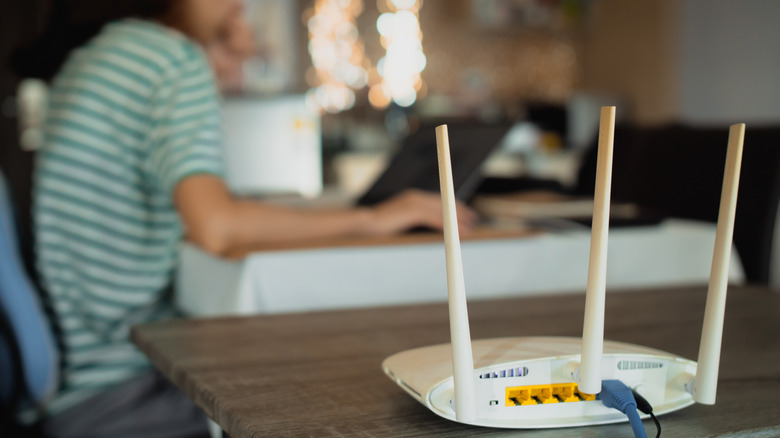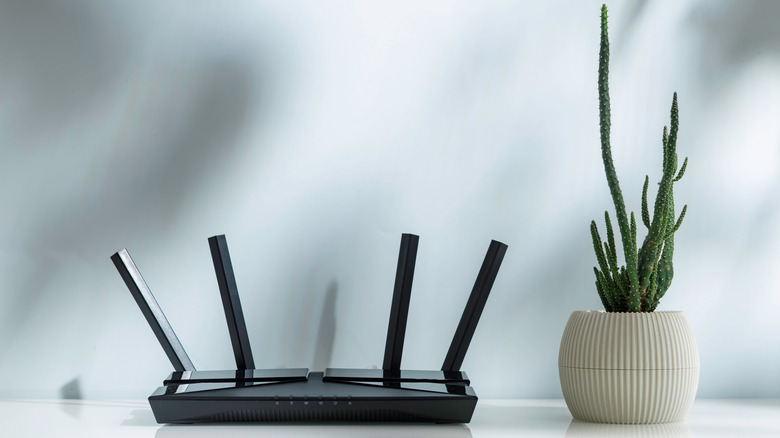
To get better Wi-Fi coverage, it's essential to position your router and its antennas correctly. The router's antenna position affects signal strength, coverage range, and dead zones. Most router antennas are omnidirectional, broadcasting in all directions, with the signal strongest perpendicular to the antenna.
For single-floor homes, point all antennas straight up to radiate signals horizontally. For multi-floor homes, angle at least one antenna at 30 degrees to spread the signal both sideways and vertically. The router's location is also crucial, requiring a central spot, about 1 to 1.5 feet off the ground, and away from interfering household items like microwave ovens and metal objects.
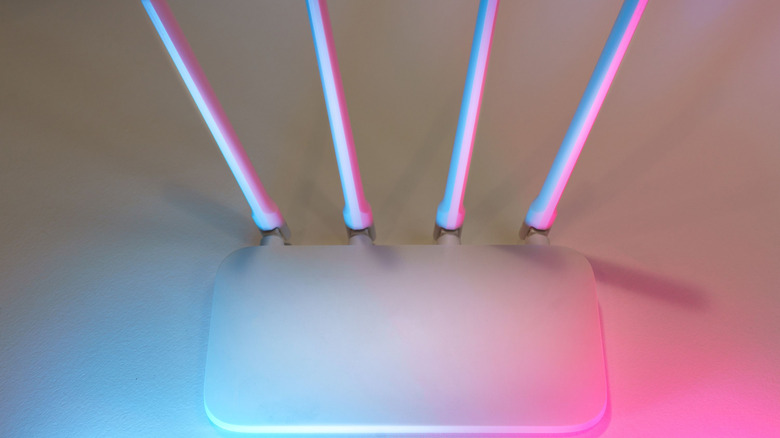
By adjusting the antenna direction and router placement, you can make a significant difference in your Wi-Fi speed and coverage. This is especially important for modern dual-band and tri-band routers, which broadcast on multiple frequencies simultaneously.