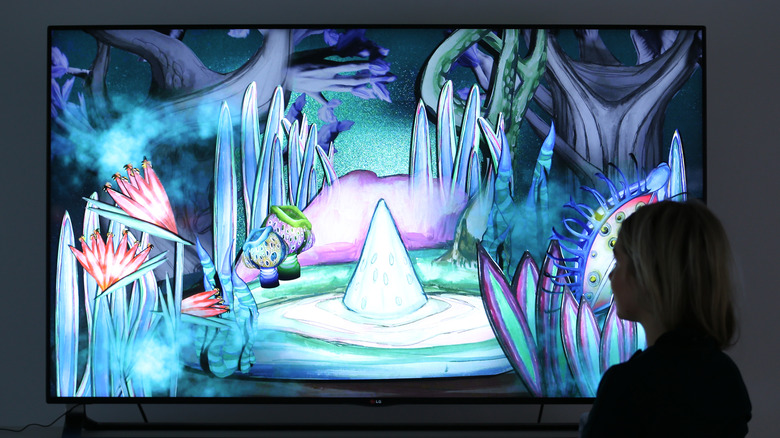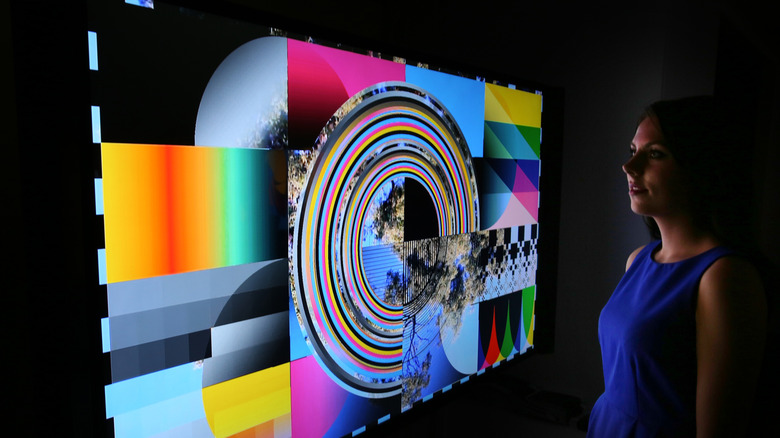
OLED panels continue to offer deep blacks and vivid colors, yet the organic pixels that create those benefits can still wear unevenly when exposed to static, high‑brightness content. The phenomenon, known as burn‑in, typically requires months or years of continuous display—RTINGS’ long‑term test recorded subtitle‑induced burn‑in after roughly 7,100 hours of viewing. Common culprits include channel logos, news tickers, paused video games, and letterboxed black bars, while dynamic content like sports scoreboards rarely causes damage.
Manufacturers have responded with a suite of protective features. LG advertises “self‑healing” pixel technology, and most high‑end panels now include automatic screensavers, pixel‑shift or panel‑noise routines, and brightness‑adjustment for static logos. Pixel‑refresh and panel‑refresh modes can also be invoked to clear minor retention. These settings are often enabled by default, but users should verify they remain active.
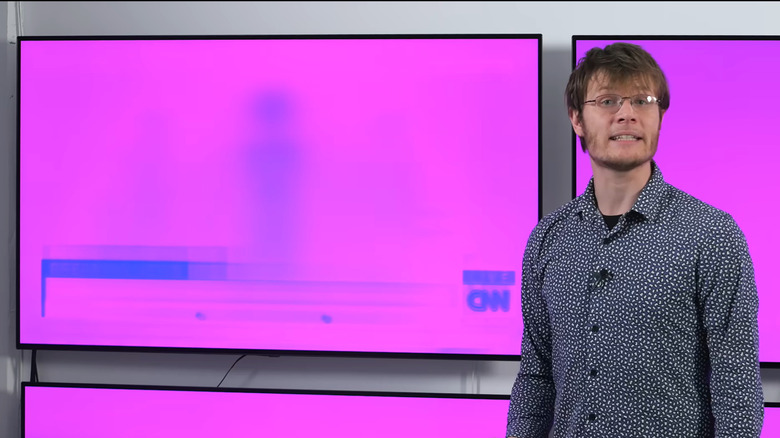
For everyday viewers, the risk remains low. Avoid leaving static images on for extended periods, keep brightness modest, and enable the built‑in mitigation tools. If faint ghosting appears, power the TV off for a while and resume varied programming to let the pixels recover.