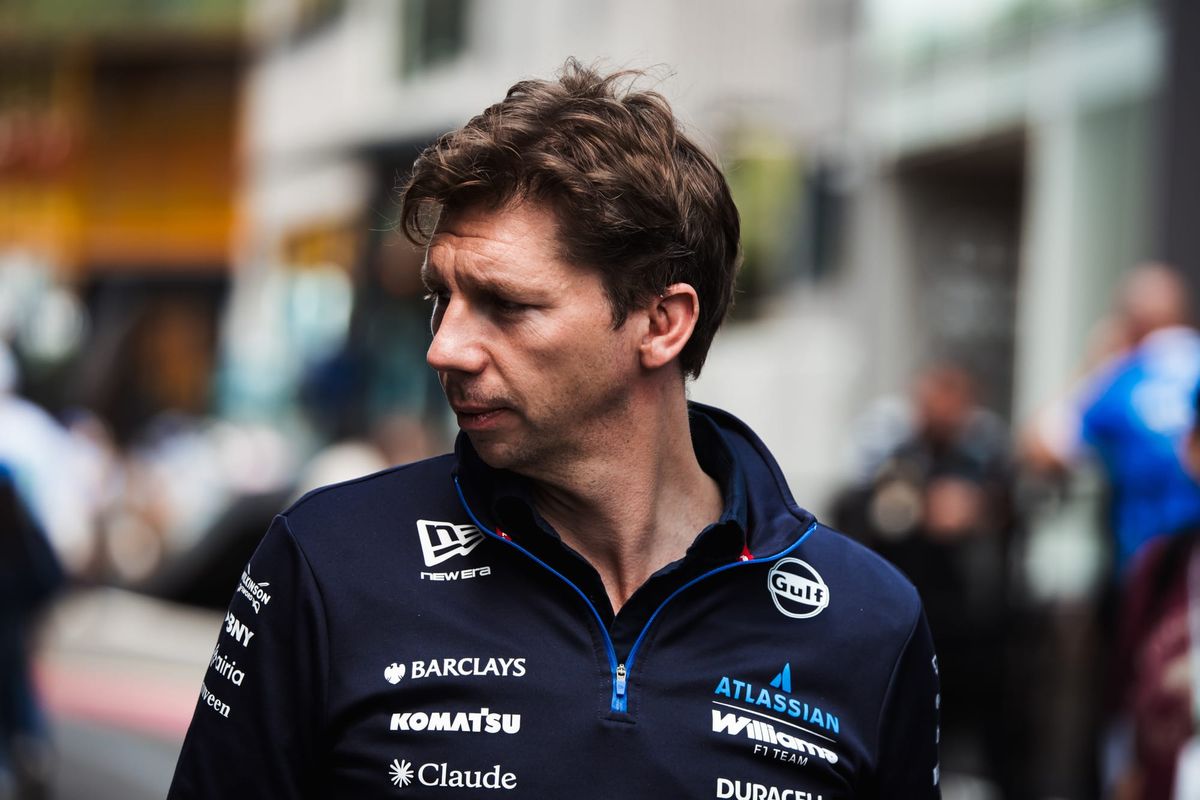
Williams’ 2026 Formula 1 campaign has been defined by setbacks, and team principal James Vowles has openly admitted the team’s missteps. "We were late, over budget, overweight, and underperforming," he said, describing a season where "everything was a little bit on fire." The root of the problem traces back to 2025, when Williams exceeded expectations with two podiums and an early switch to 2026 designs. That success bred complacency, leading the team to believe its processes could carry over into a new regulatory era—an assumption that proved costly.
Vowles cited chronic underinvestment over two decades as a core issue, noting Williams’ tools and simulation capabilities lagged behind rivals. The high-rake aerodynamic concept, shared with Aston Martin, was a misstep that cost months of development time. He also took personal accountability for setting unrealistic expectations about 2026’s potential, acknowledging poor communication that amplified disappointment.
The team is now overhauling its systems, replacing underperforming software and accelerating production to match rivals. The hiring of McLaren’s former COO Piers Thynne as chief optimisation officer is part of this push, alongside upgrades to outdated CAD software. A critical test arrives at the Azerbaijan Grand Prix, where Williams plans to debut a radically redesigned chassis aimed at redefining its approach to innovation and regaining confidence.