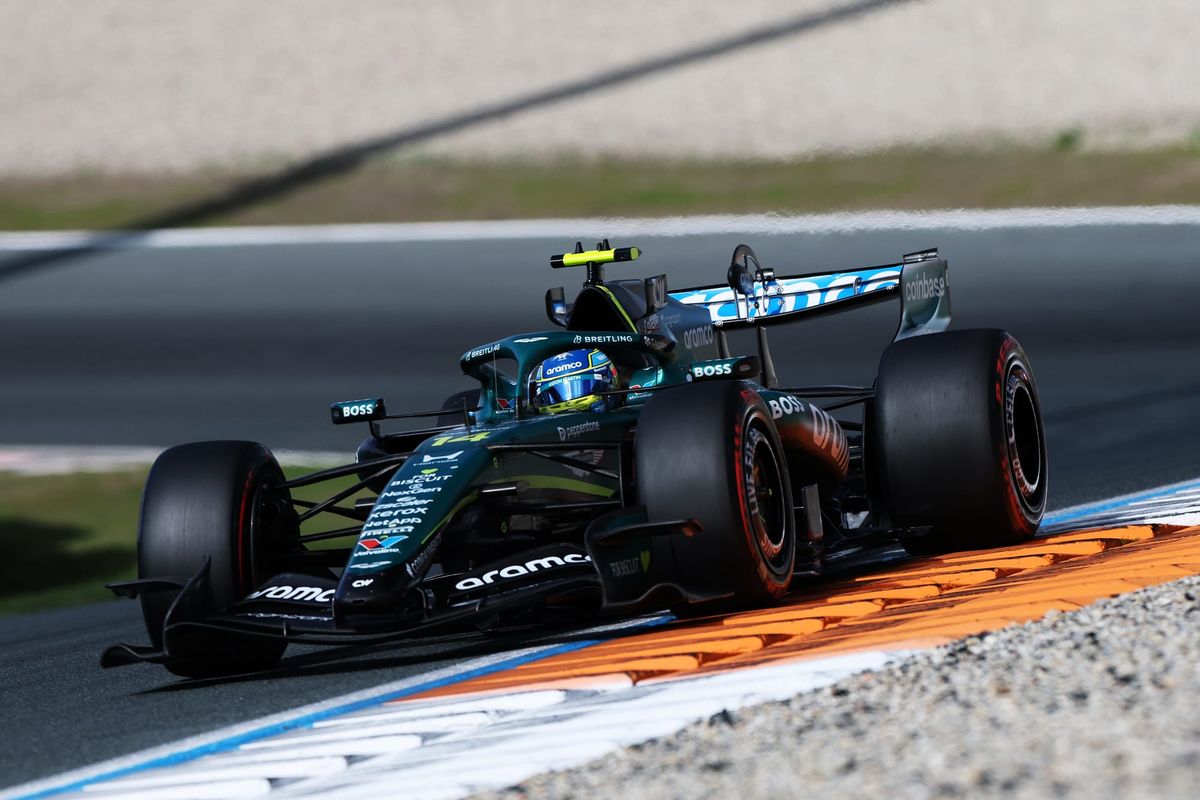
Aston Martin’s Formula 1 upgrade with Honda’s new spec 2 engine delivered measurable gains in the Netherlands, including Fernando Alonso’s best finish of the season. The power unit met reliability targets and added an estimated 10–30bhp, yet lingering driveability problems—especially under braking and gear shifts—continue to undermine performance. Honda’s F1 chief engineer Shintaro Orihara confirmed the team is targeting improvements in engine braking synchronicity with the MGU-K and battery harvesting, a process complicated by the 2026 regulations.
Driveability issues manifest as unpredictable engine braking, understeer, or failed downshifts, all of which have plagued Alonso and Lance Stroll. The problem stems from unstable combustion and software calibration, exacerbated by the loss of the MGU-H and increased battery influence. Orihara admitted Honda is still far from matching top manufacturers, though overnight fixes at Zandvoort yielded modest progress ahead of Monza.
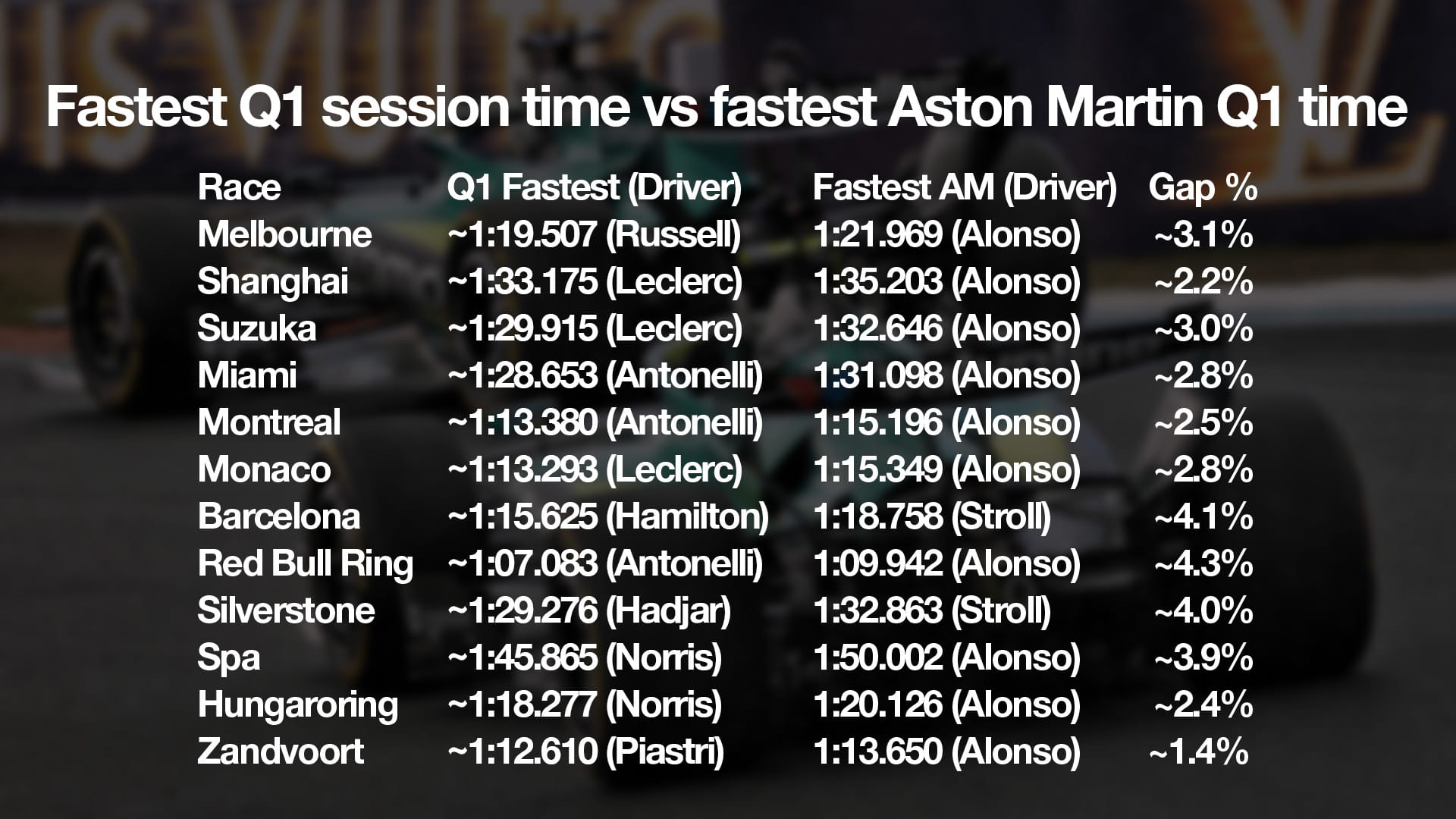
The next two weeks of dyno work will be critical as Honda refines calibration and software to stabilize power delivery. Alonso suggested a potential gain of “a couple of tenths” if the package is optimized, which could push Aston Martin into regular points contention. His future with the team may hinge on whether Honda’s improvements materialize before contract discussions later this year.