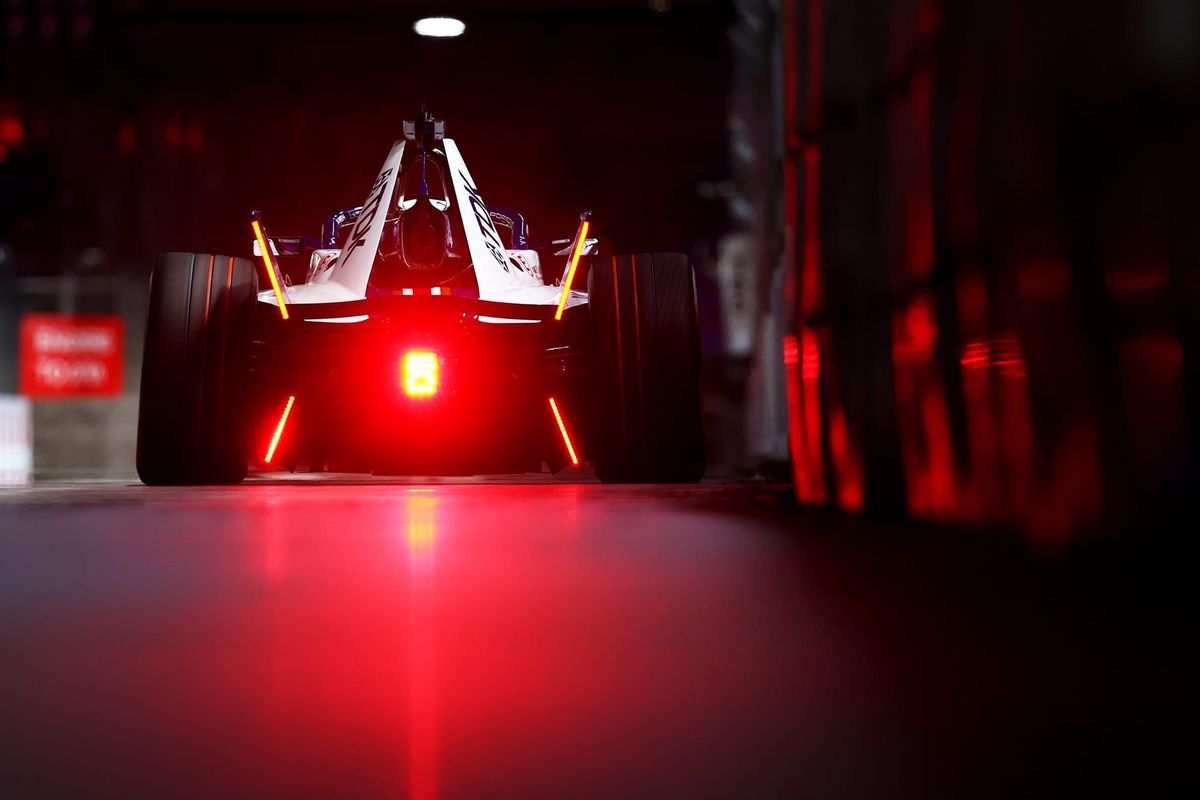
Formula E’s Gen3 era closes this year with the championship preparing for a fourth generation of technical regulations that will push power and efficiency until at least 2030. The outgoing Gen3 and Gen3 Evo cars, introduced during the pandemic, reshaped the series with a dramatic leap in pace and power but also exposed critical flaws.
The Gen3 project faced immediate crises, including rear traction brake failures that left drivers without braking capability during testing in late 2022. Crashes at tracks like Valencia and Diriyah forced emergency fixes, including a secondary braking system and reinforced barriers, while a cost cap of €13–15 million per two-season cycle added pressure. By 2024, stability returned as Hankook’s hard tyres and all-wheel drive in the Gen3 Evo improved grip and overtaking, though the racing remained chaotic at wide-open circuits.
The series evolved tactically, with drivers like Mitch Evans and Pascal Wehrlein capitalizing on energy management and PitBoost stops introduced in 2025. FIA championship manager Pablo Martino credits Gen3 with narrowing the competitive field and expanding the fan base, despite early resistance from drivers. Now, the championship turns to Gen4, aiming to build on Gen3’s hard-won lessons.
The Gen3 era’s awkward growth phase is over.