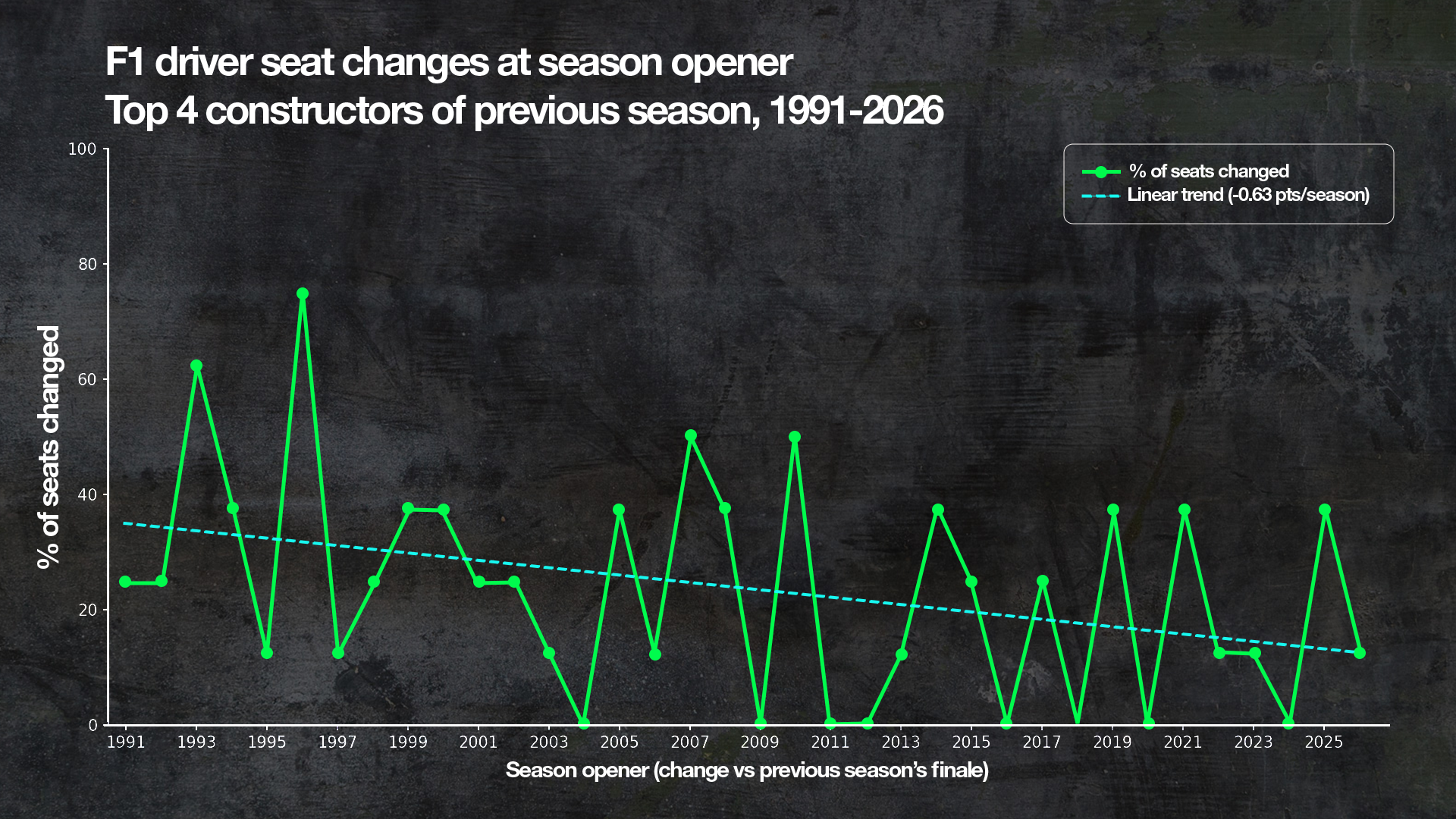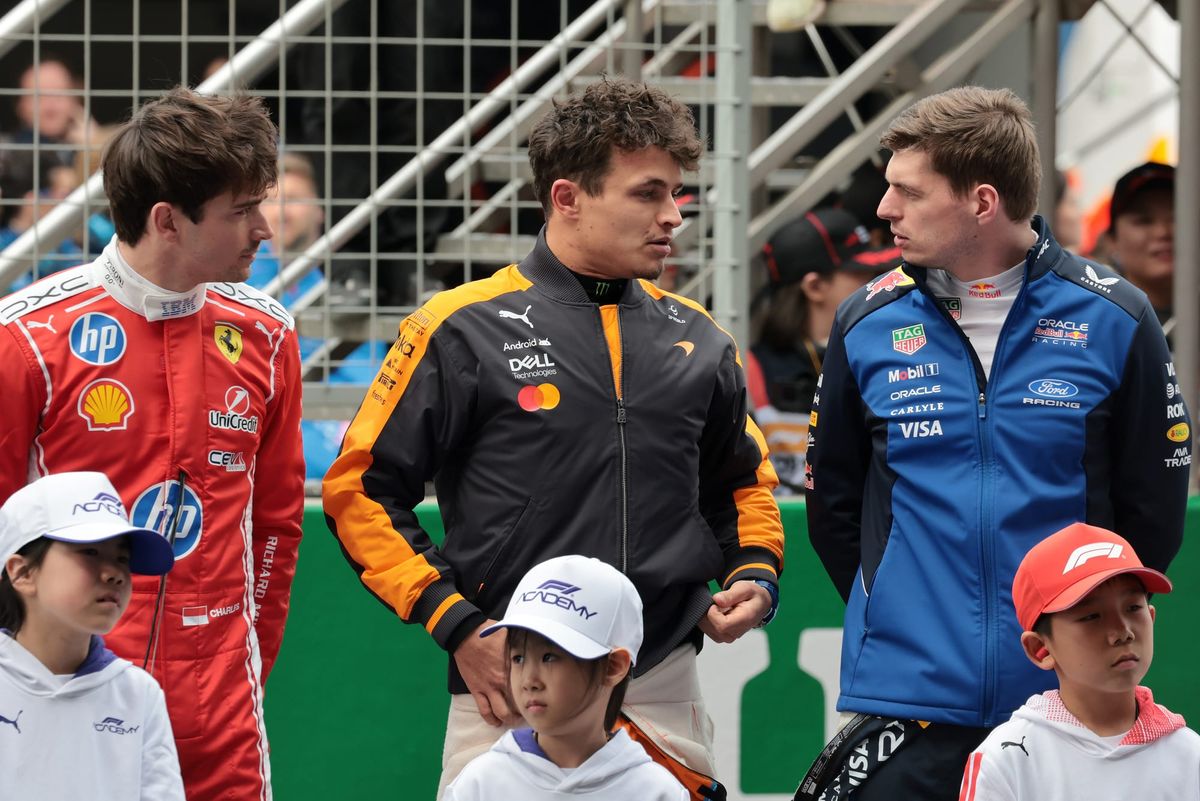
Formula 1’s driver market has slowed to a crawl, with volatility halved since the 1990s and top seats increasingly locked down through mega-deals. Max Verstappen and Lando Norris signed long-term contracts with Red Bull and McLaren, respectively, while Charles Leclerc is on track to surpass Michael Schumacher’s 11-season run at Ferrari. These moves reflect a broader trend: drivers now stay with teams far longer than in past decades.
Three factors explain the shift. First, the cost cap allows top teams to spend freely on driver salaries while limiting car development costs, giving them financial leverage to secure ‘franchise’ drivers. Second, the gap between top and midfield teams has widened, making it harder for ambitious drivers to justify risky moves to less competitive outfits. Third, modern F1 cars are so complex that adaptation periods now waste entire seasons, discouraging frequent team changes.
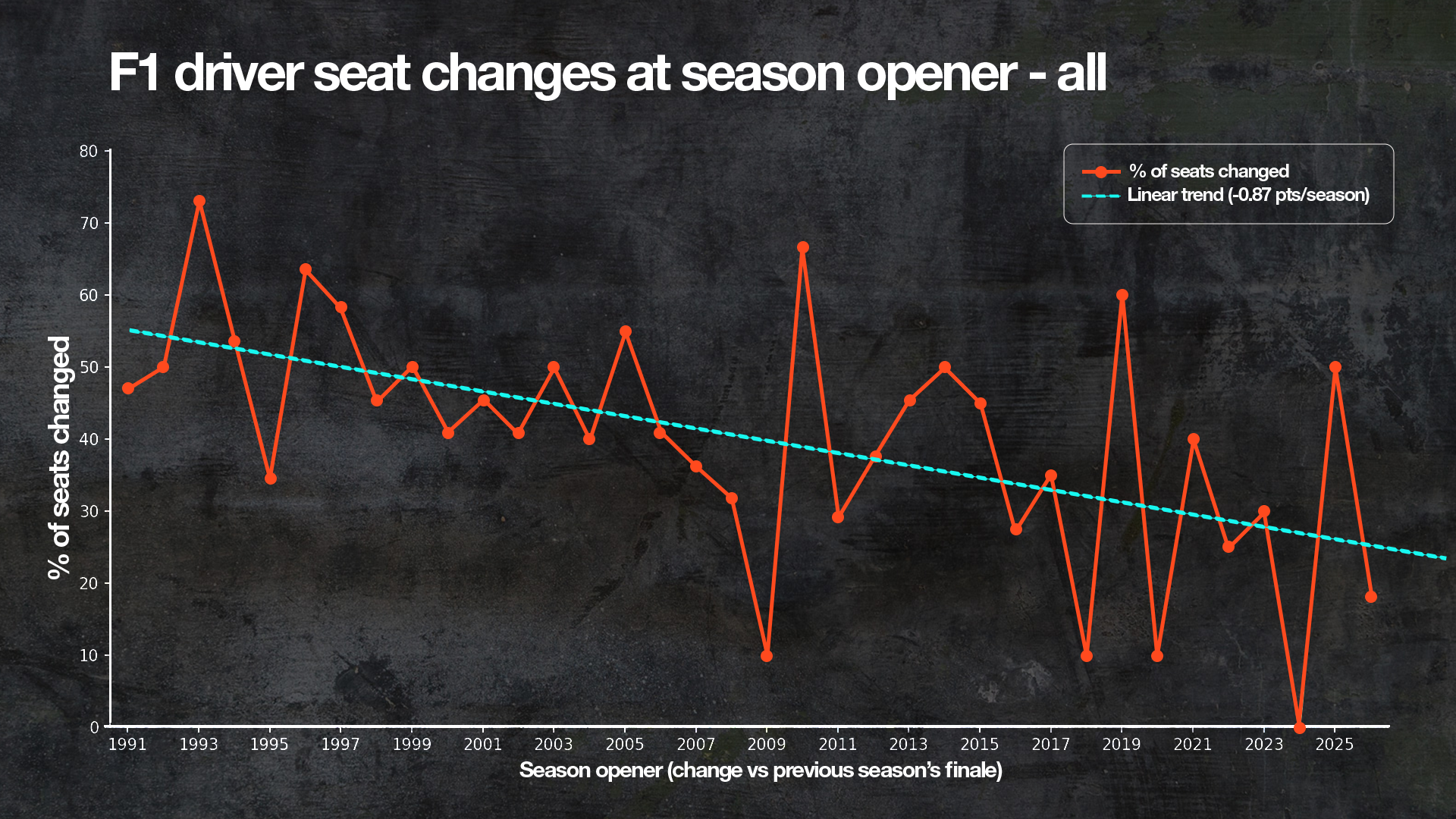
The consequences are clear. Fans miss the volatility of driver shuffles, and younger drivers face fewer opportunities to break into top seats. While the market feels frozen, a single high-profile exit—like Lewis Hamilton’s potential retirement in 2027—could still trigger a domino effect. Until then, the next major movement may not arrive until 2031, when new engine rules could reset the landscape.