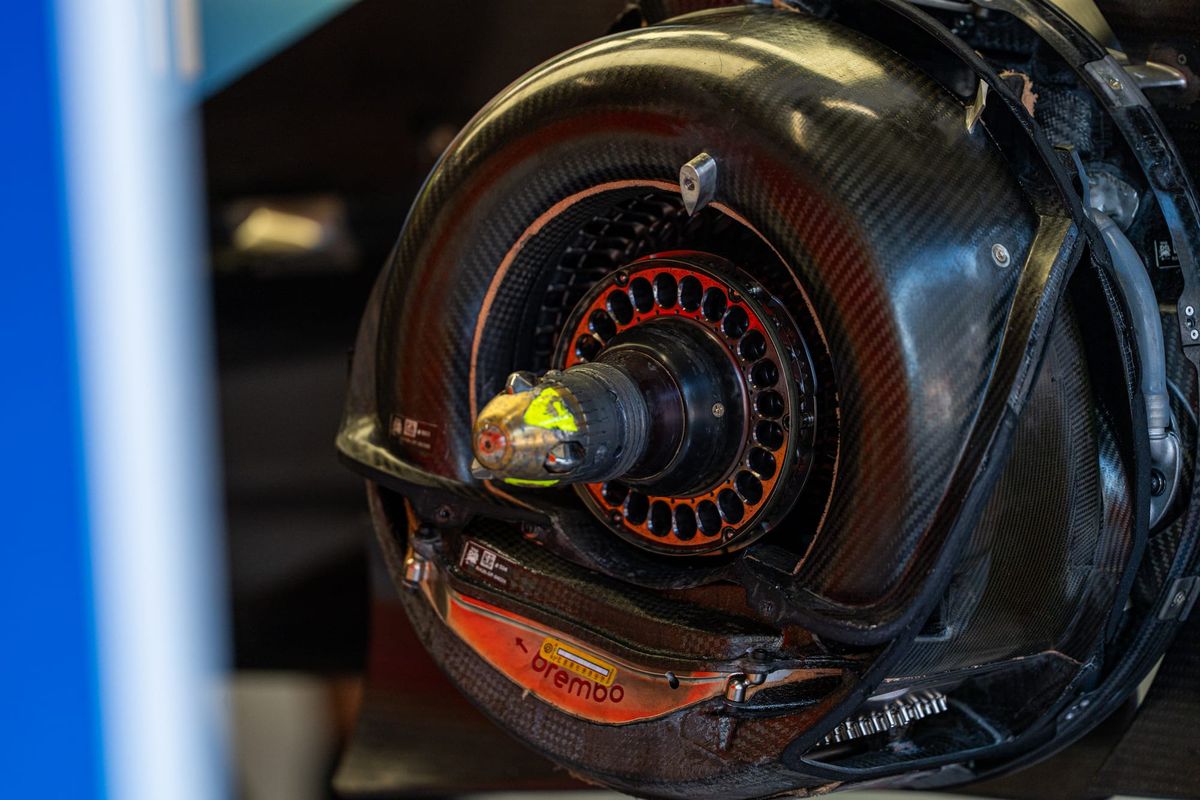
The 2026 Formula 1 rule package places a heavy emphasis on harvesting energy under braking, which has driven rear‑brake temperatures down to unprecedented lows. Because the FIA now caps disc thickness and mandates a minimum torque output of 2,500 Nm per rear wheel without power‑unit assistance, teams are confronting a very different thermal environment than in previous seasons.
Brembo’s F1 engineer Pavan Stefano notes that rear‑brake temperatures often sit below 100 °C, far under the 200‑250 °C optimal range for carbon discs. The cold conditions make the carbon behave more like a mechanical abrasive, leading to inconsistent feel for drivers such as George Russell and higher wear rates when races are chilly. Variations in disc and pad dimensions across teams have made it difficult to predict torque, pressure and temperature, prompting several mid‑season requests for brake‑system tweaks.
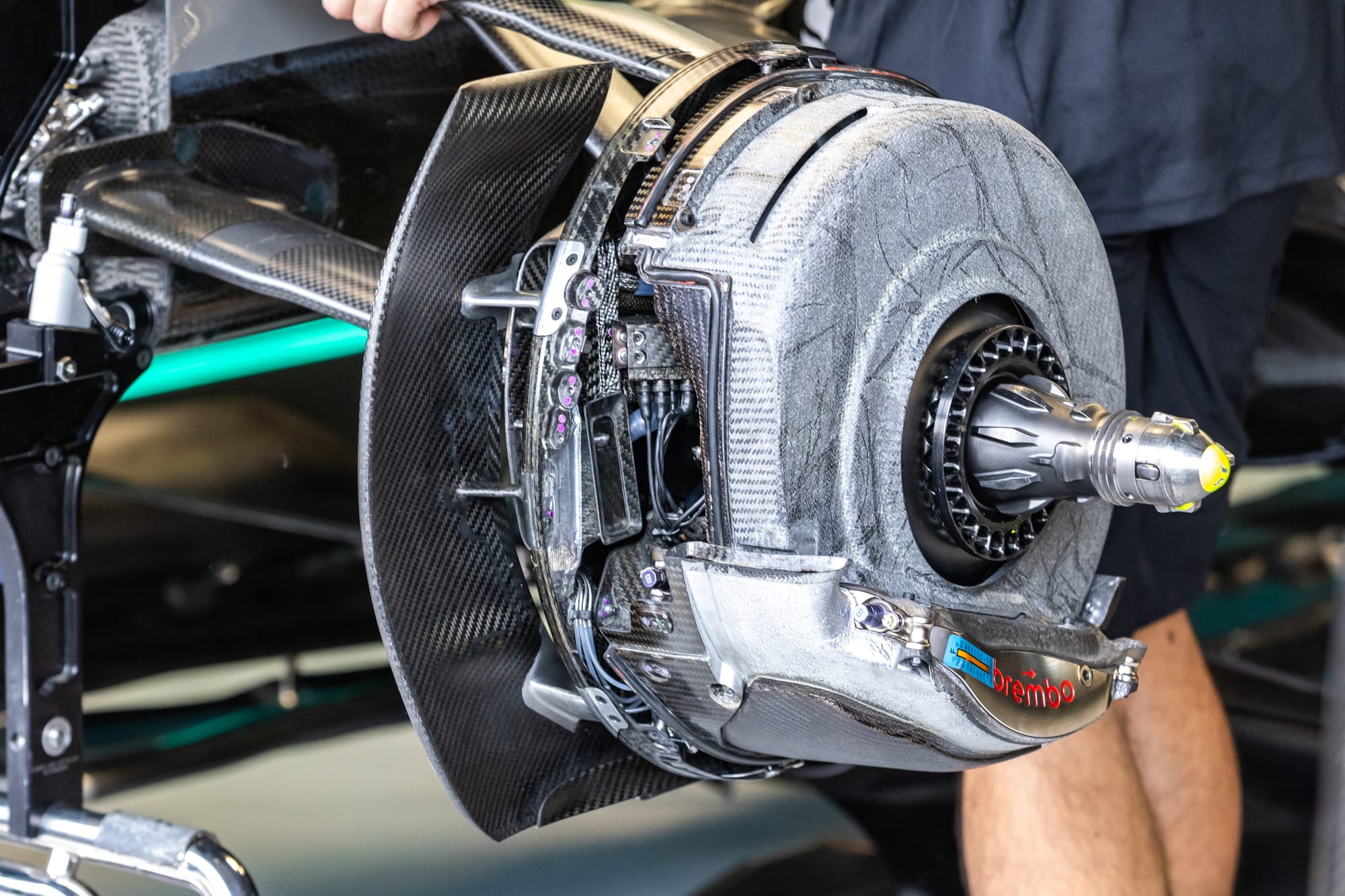
Looking ahead to 2027, Brembo is exploring new materials and geometry changes to better match the altered energy‑recovery strategies. While a complete material overhaul could take months, the supplier expects incremental size reductions and safety‑driven redesigns to roll out as teams gather more on‑track data, continuing the cycle of refinement that began with the 2022 regulation shift.