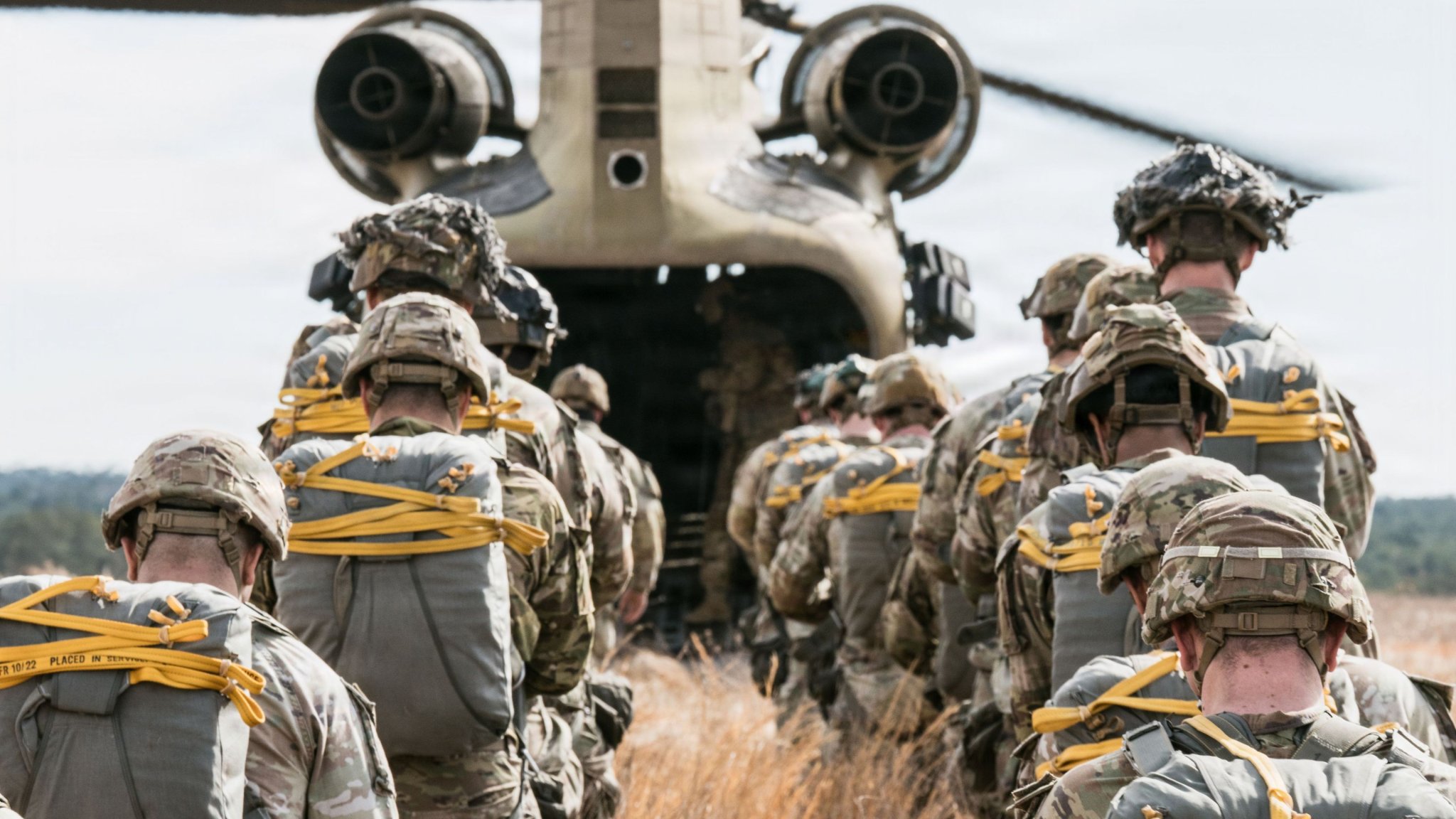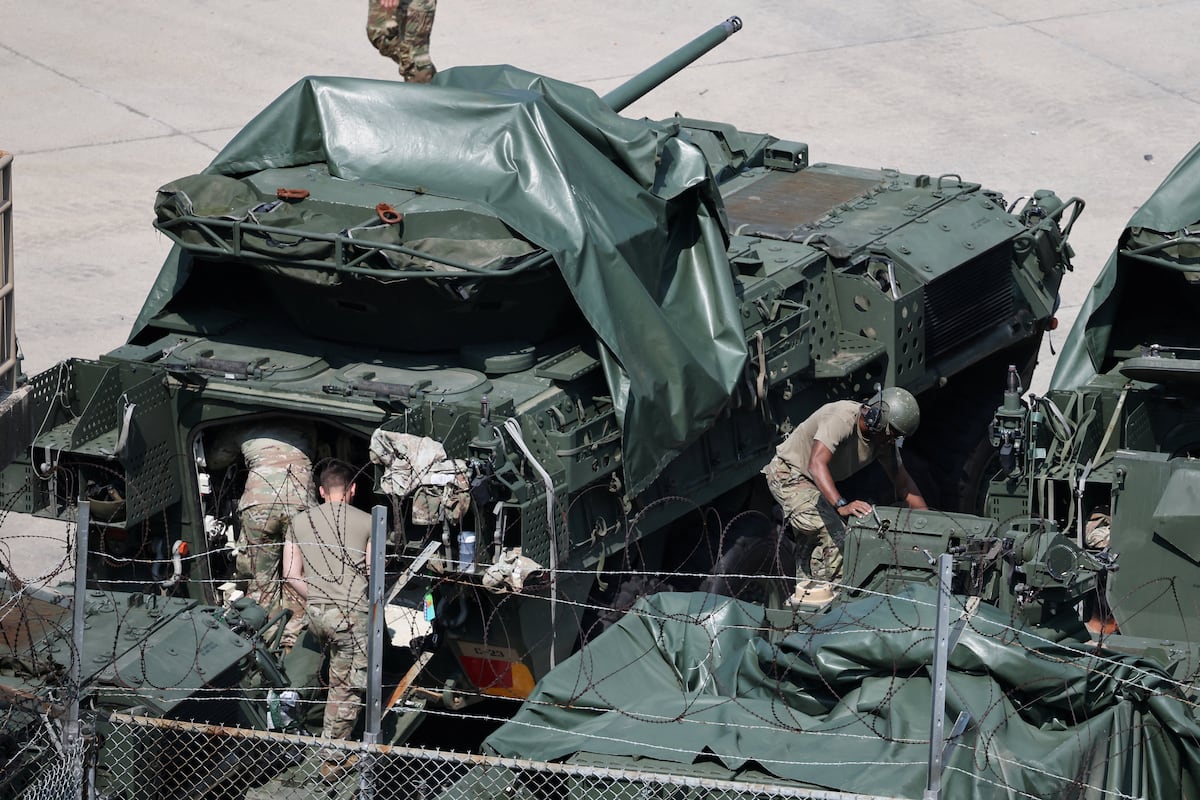
The U.S. and South Korea will shorten their annual Ulchi Freedom Shield joint military drills to five days from 11, canceling the second phase entirely, after President Donald Trump ordered a substantial reduction in U.S. participation. The Pentagon confirmed the drills, originally scheduled through August 27, will now end on August 21, with some field training scaled back or replaced by simulations to preserve readiness.
The adjustments follow Trump’s Sunday directive to "substantially reduce" U.S. involvement, framed as part of efforts to ease tensions with North Korea and pressure Seoul over trade deal investments. North Korea’s Kim Yo Jong dismissed the changes as meaningless, calling the exercises inherently provocative despite their reduced scale. China’s Foreign Minister Wang Yi is in Seoul this week for regional security talks, with the Korean Peninsula expected to be a key topic.
Analysts suggest Trump’s move aims to address multiple goals: pressuring South Korea on trade, diverting attention from U.S. challenges in Iran, and reviving diplomacy with Pyongyang. Meanwhile, North Korea reiterated its stance that the drills are a threat, though its muted response may signal an attempt to keep diplomatic options open. Trump is reportedly pushing for a face-to-face meeting with Kim Jong Un, potentially during a November trip to Asia.