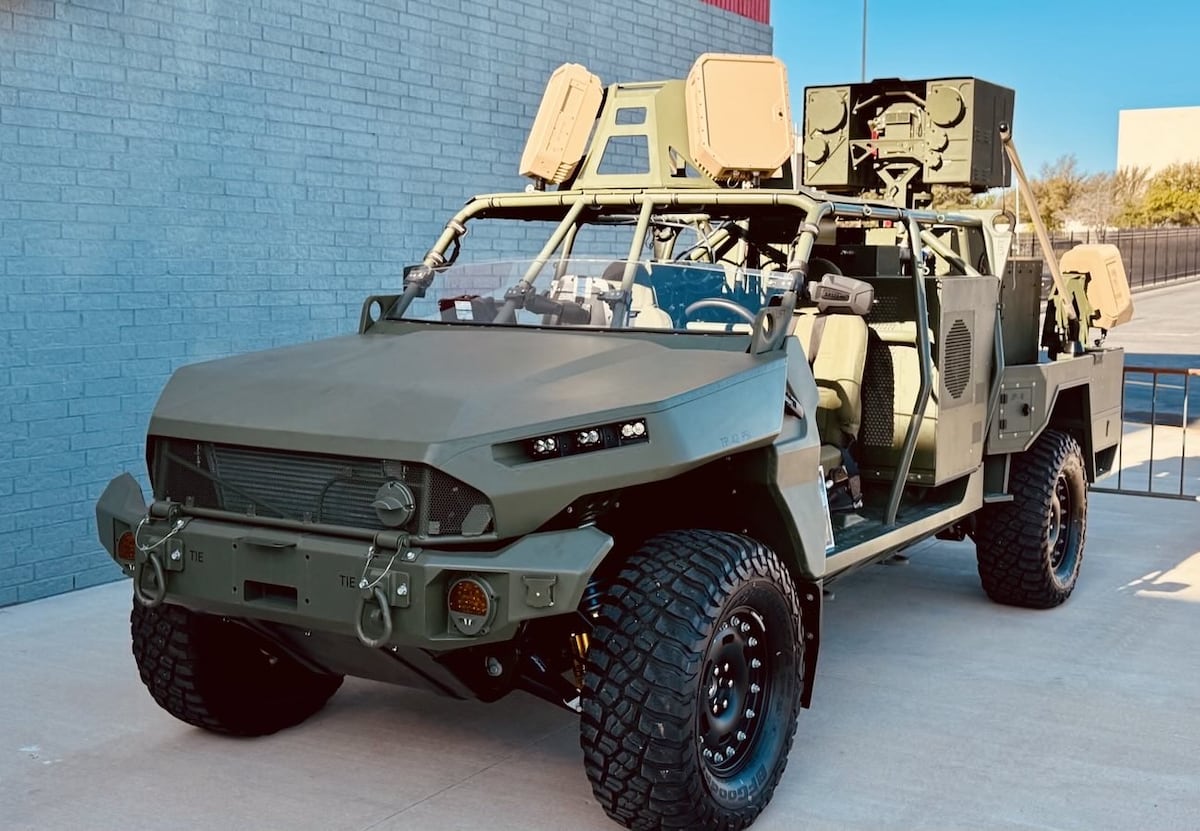
The Army is zeroing in on a mobile high‑energy laser platform, but the missing piece is a vehicle that can supply the required power. After shelving the Stryker‑based DE‑MSHORAD effort, the service has turned to light tactical trucks – the Infantry Squad Vehicle (ISV) and the Joint Light Tactical Vehicle (JLTV) – as the likely hosts for its 20‑kW LOCUST laser and future higher‑power directed‑energy weapons.
Both platforms suffer from limited onboard generation – the JLTV tops out at about 15 kW and the ISV’s surplus power is unknown – prompting a shift toward a hybrid architecture that pairs a modest generator with a high‑voltage battery for short‑duration spikes. The Army’s “ISV‑Heavy” concept calls for a minimum 60 kW continuous DC output and is slated for an initial 34‑vehicle buy at roughly $463 k each, with a total goal of 606 units and first deliveries expected in early 2028.
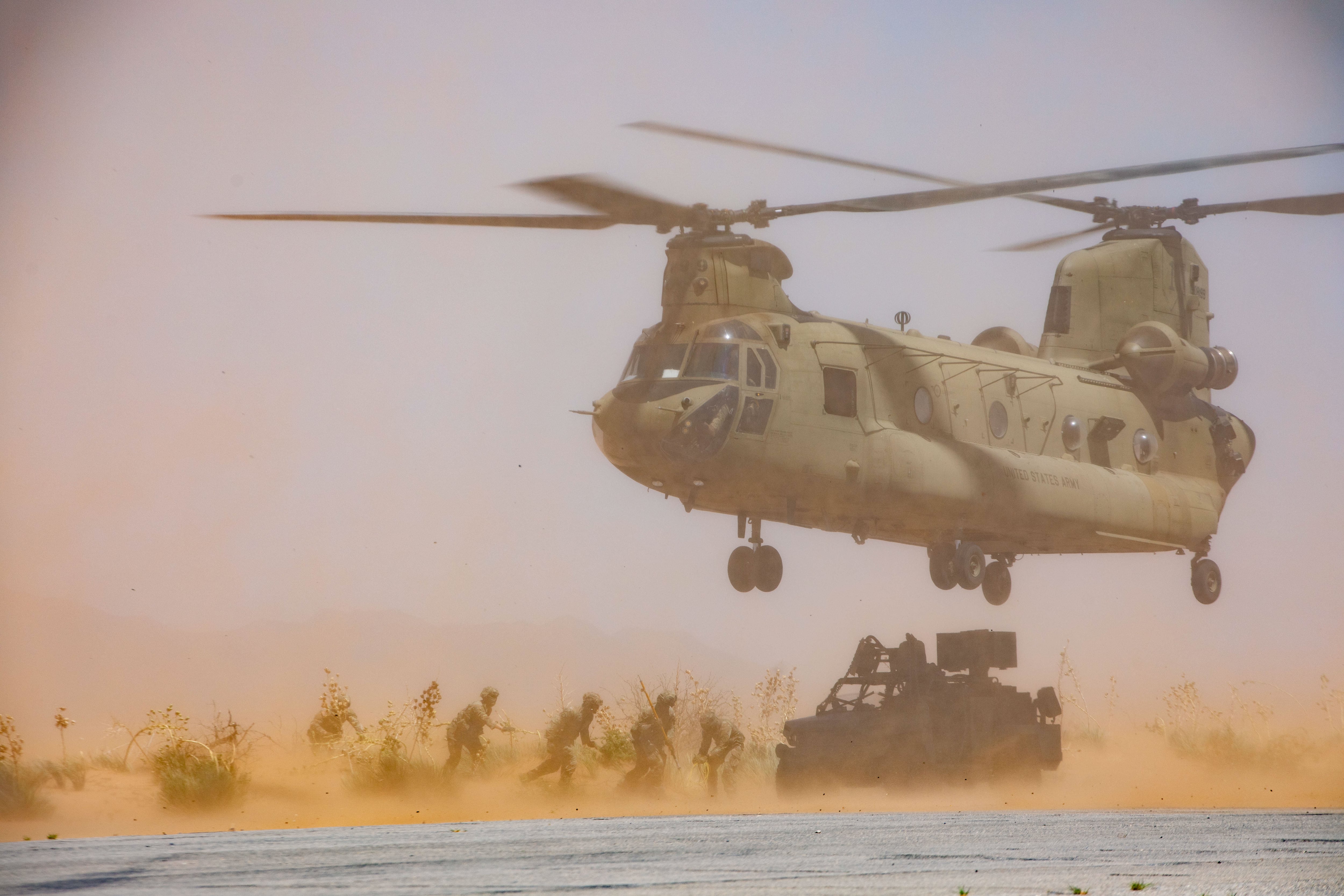
The Marine Corps, which relies on the JLTV for its new Marine Air‑Defense Integrated System, faces a supply crunch after the Army halted further JLTV purchases. To keep its littoral regiments viable, the Corps is evaluating alternatives, including Oshkosh’s upgraded eJLTV hybrid that can export 115 kW and burst up to 250 kW for laser weapons. If adopted, the eJLTV could fill the power gap while the Army moves ahead with the ISV‑Heavy fleet.