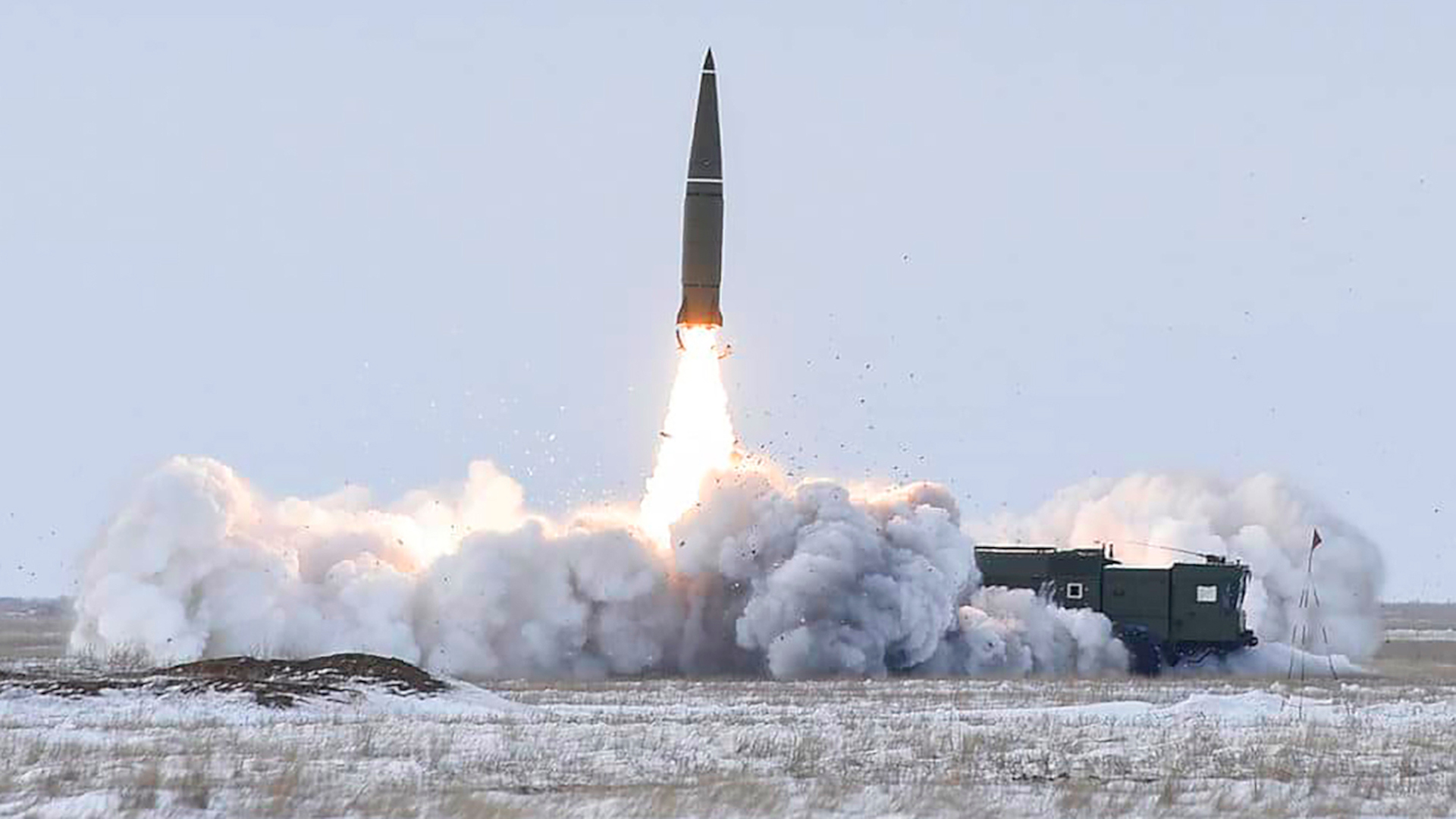
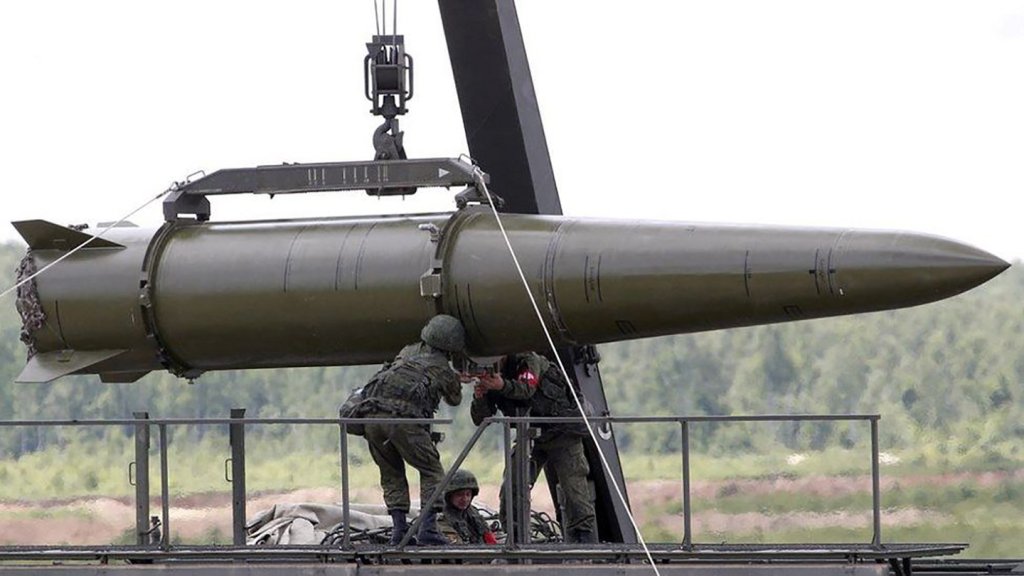
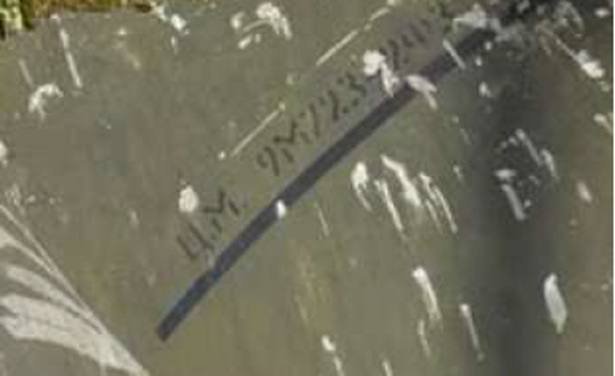
Ukraine’s Defense Intelligence Directorate (GUR) confirmed Russia used an upgraded Iskander ballistic missile, designated 9M723-2 or ‘Iskander-1000,’ in a recent strike on Kyiv. The missile extends the system’s range to 550 km, up from the previous 390 km, making it harder for Ukraine to intercept before launch.
The new variant’s increased fuel capacity likely reduces warhead size while maintaining payload options, including cluster and high-explosive warheads. Ukrainian forces have already adapted by targeting Russian launch sites, but the expanded range forces deeper strikes into Russian-held territory. Russia produces roughly 60 Iskander missiles monthly, with annual output potentially reaching 600–800 units, according to missile expert Fabian Hoffmann.
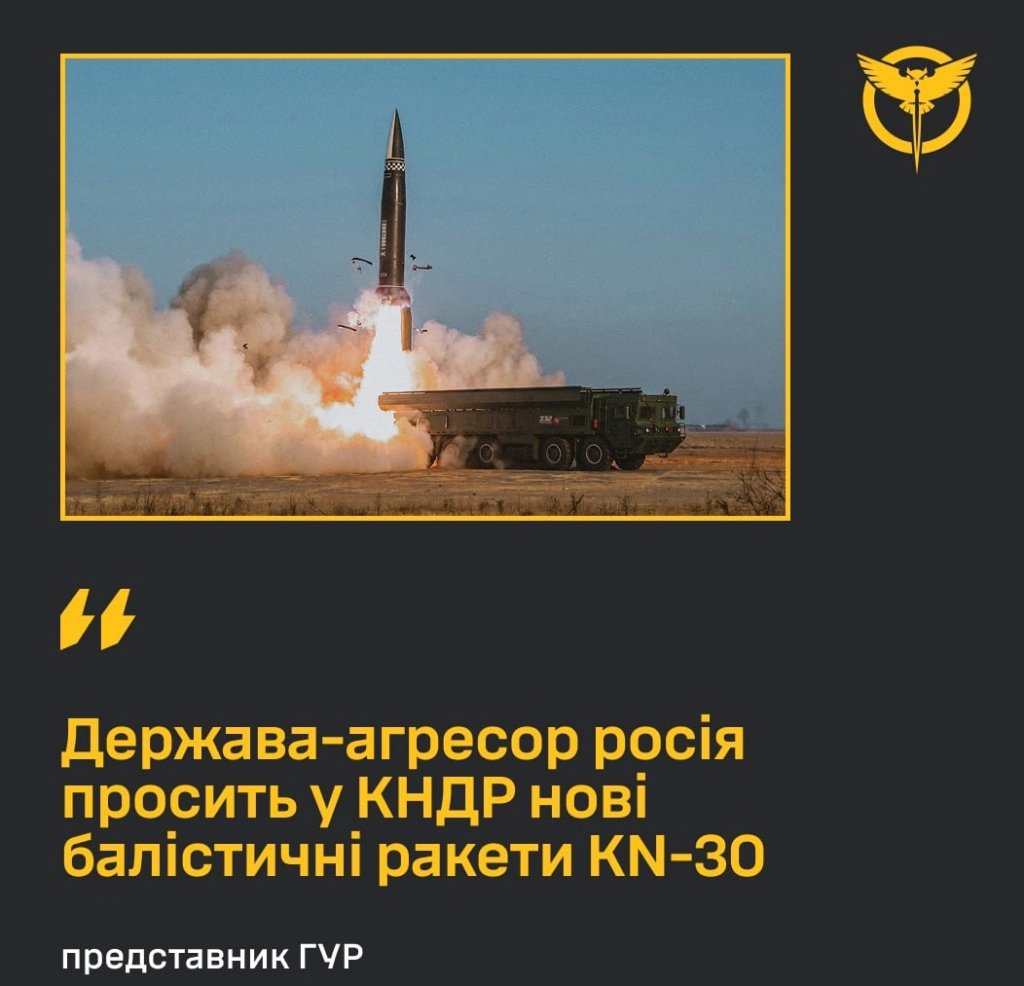
GUR also highlighted the missile’s reliance on foreign components, with only a quarter of 140 identified parts manufactured in Russia. Nearly half originated from U.S. firms, underscoring ongoing sanctions circumvention. The development follows reports of North Korean missile transfers to Russia, including requests for the more powerful KN-30 system.
Ukraine’s interceptor shortages and Russia’s missile modernization underscore the escalating challenge, as Putin threatens further escalation.