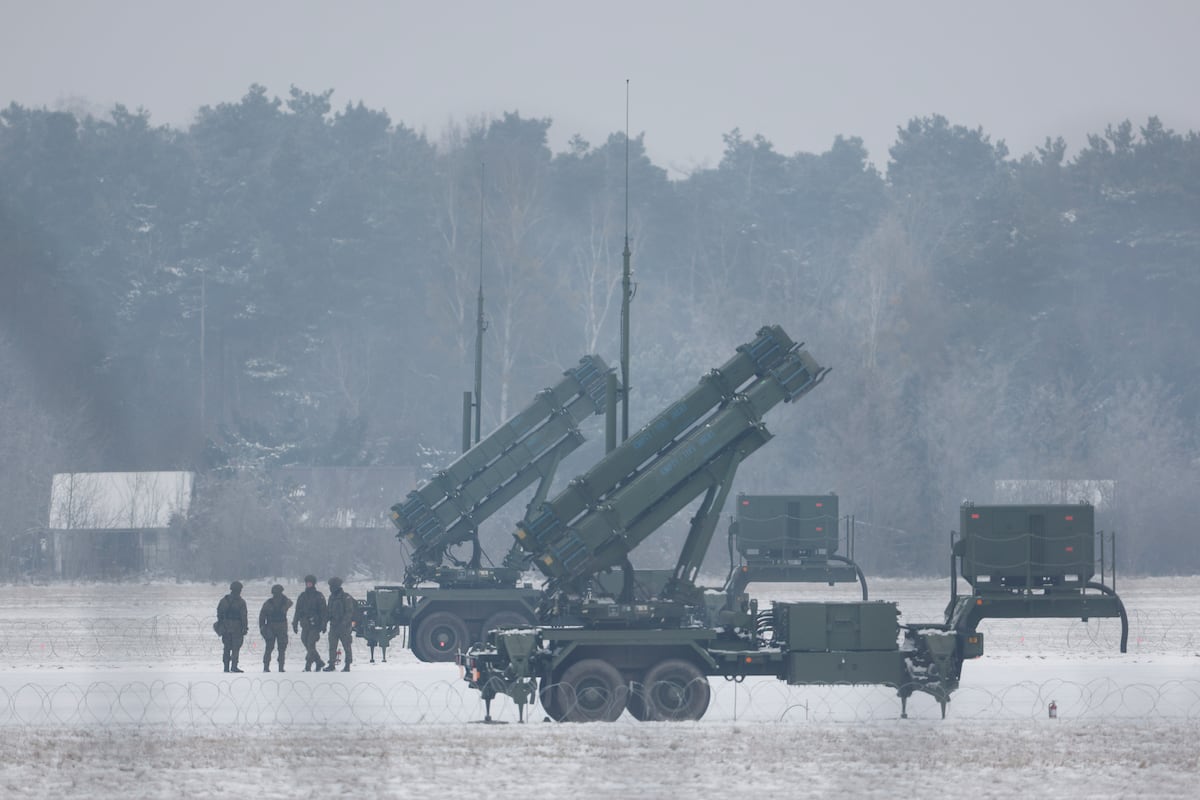
Lockheed Martin and Raytheon have put the brakes on a joint‑production effort for Patriot missile interceptors after President Trump’s July pledge to grant Ukraine a manufacturing license ran into U.S. red tape and internal hesitation. Both firms say they are still assessing what is feasible, while senior officials stress that the delay reflects broader concerns about Ukraine emerging as a defense‑industry competitor rather than simple intellectual‑property risks.
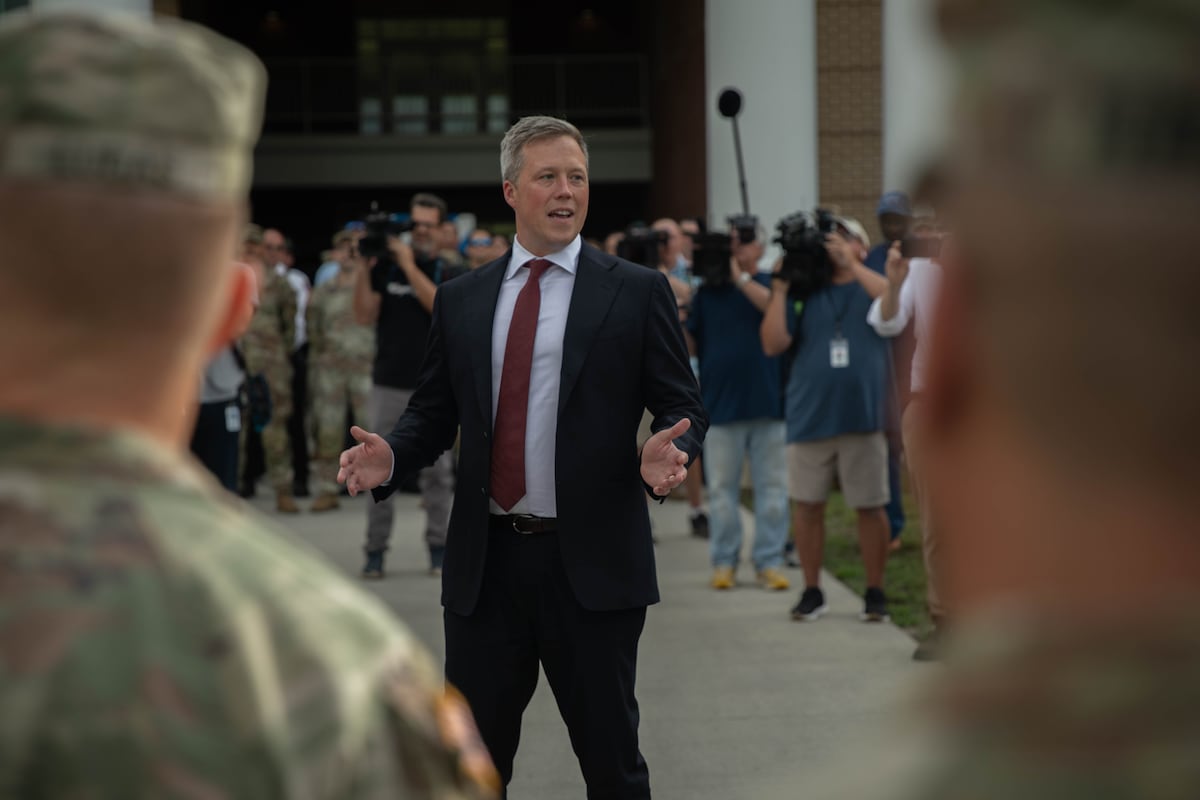
Republican officials on Capitol Hill suggest the real worry is that Kyiv could eventually produce Patriot‑class missiles faster and cheaper than U.S. lines, threatening the current monopoly on antiballistic capabilities. Zelensky announced an agreement and urged rapid start‑up, yet Lockheed’s Tim Cahill called talks “early” and Raytheon’s Tom Laliberty said its process has only just begun. Trump later back‑tracked, stating no license had been finalized, and NATO ambassador Matthew Whitaker warned that only U.S. manufacturers may produce the system domestically, with a long‑term deal unlikely before winter.
The deal’s fate remains unclear. Zelensky claims the decision rests with the U.S. president and related institutions, but no official response has followed, leaving Ukraine’s next steps in air‑defense procurement uncertain.