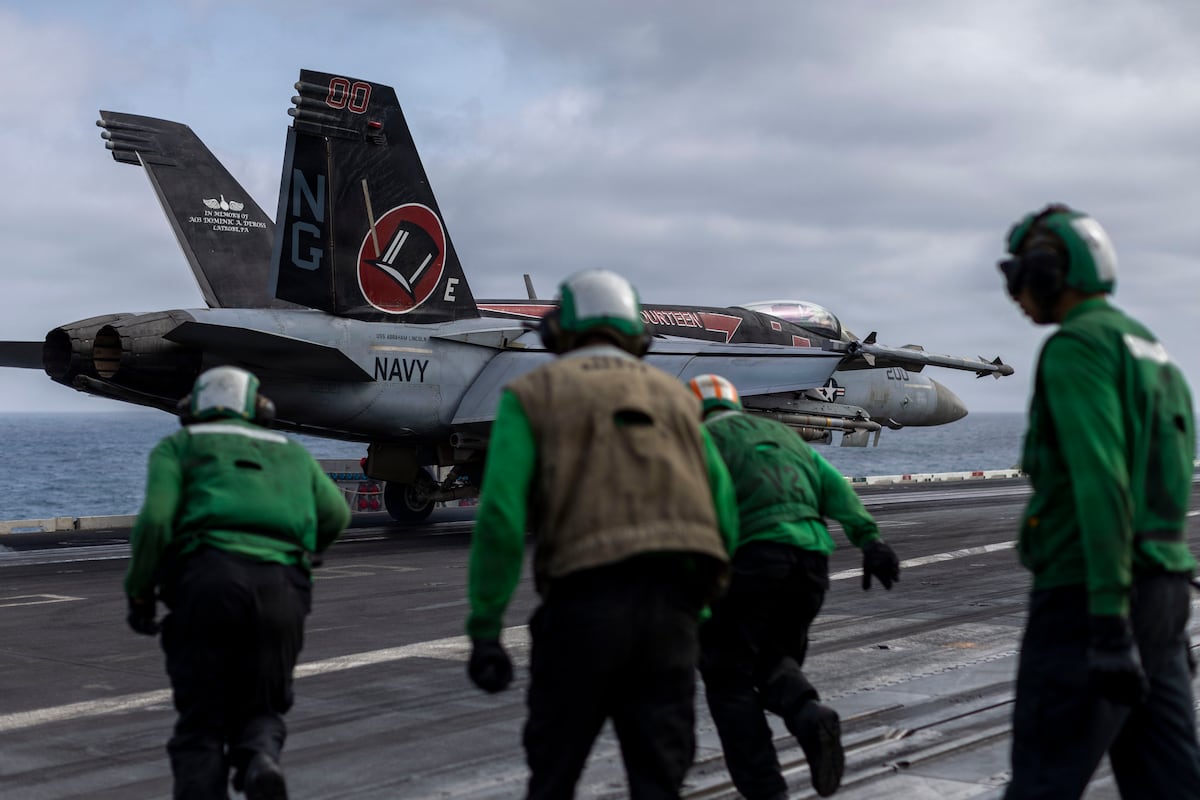
The U.S. Navy’s handling of operations during the Iran war has laid bare longstanding problems in logistics, maintenance and manpower, according to congressional leaders, retired officers and deployed sailors. Families of crew aboard the USS Abraham Lincoln reported sailors struggling with mental health after 250 days without a port visit, highlighting the strain of sustained operations. The Navy has faced high operational tempo for years, with deployments regularly extended, scheduled maintenance missed and shipbuilding lagging, leaving the fleet undersized and overstretched.
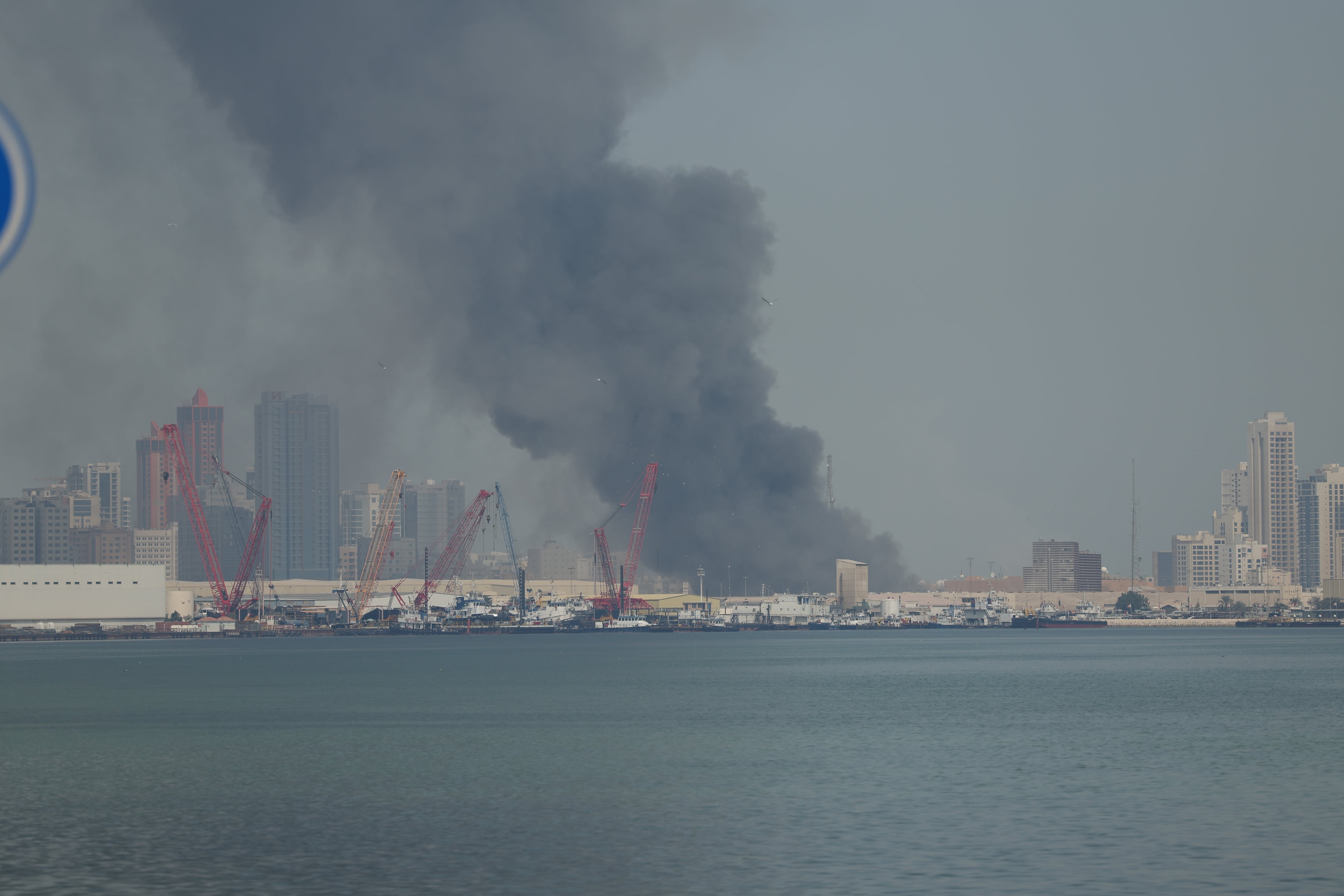
The current conflict compounded these issues, sailors and lawmakers said, pointing to poor planning and a disrupted supply network. After Iranian strikes damaged the logistics hub in Bahrain, the Navy relocated support to Diego Garcia, more than 2,000 miles away, creating delays in food and parts deliveries. One sailor described orders taking 30 days to fulfill and meals that were often undercooked or unrecognizable. The Navy disputes reports of deteriorating conditions, with Adm. Daryl Caudle emphasizing that sailor welfare is a warfighting imperative.
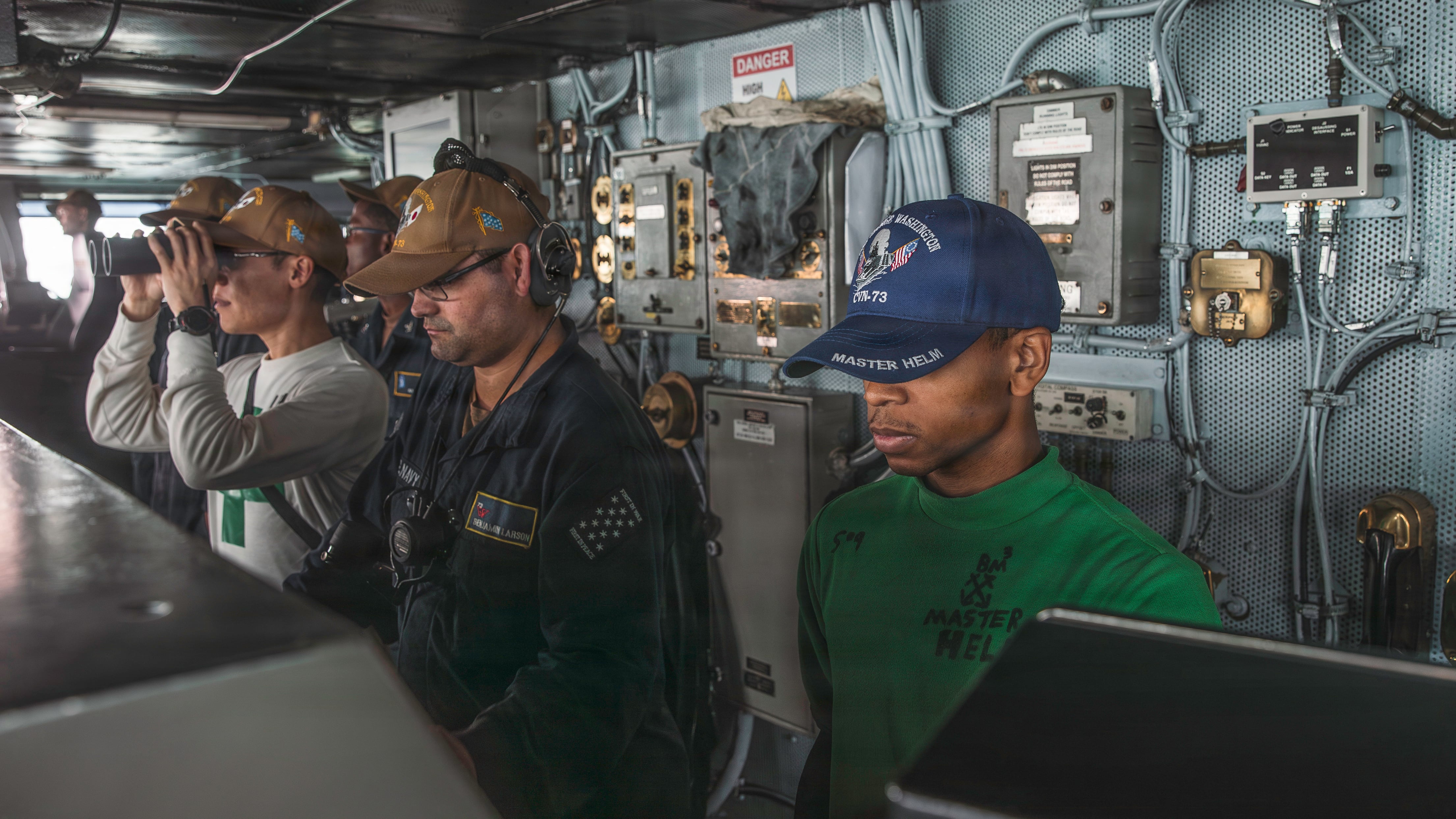
To ease the burden, the Navy moved the USS George Washington to the Middle East, replacing the Lincoln, which is now heading to San Diego. The shift temporarily leaves the western Pacific without a carrier, a gap that weakens deterrence against China. Retired Vice Adm. Fozzie Miller said the Navy needs more ships to balance operational demands with sailor welfare. The service has begun studying sleep patterns with Oura rings and added counselors, but sailors report persistent fatigue, food shortages and morale issues.